Apple to Launch Initial AI Features in China With iOS 27.3 in December
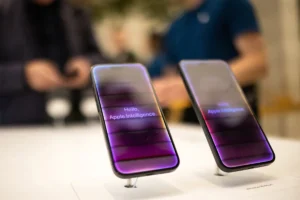
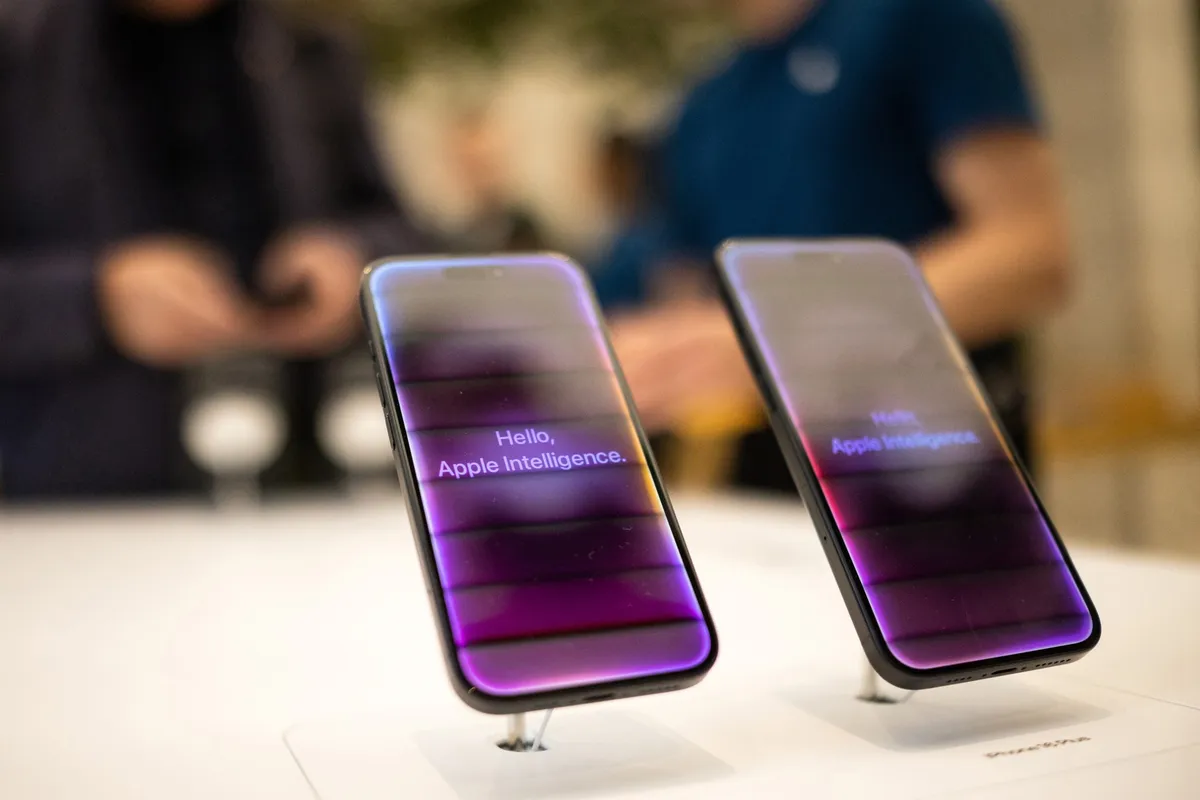
Apple will finally introduce its first artificial intelligence features to mainland China this December through the upcoming iOS 27.3 software update. According to a recent report from Bloomberg journalist Mark Gurman, this long-awaited Apple China AI debut arrives nearly two years after the initial United States rollout. However, the release will omit the revamped Siri assistant, and company executives remain skeptical about bringing the upgraded voice assistant to Chinese users anytime soon.
Alibaba Partnership and Regulatory Guardrails
To navigate local requirements, the regional platform operates on a proprietary foundation model that Apple trained in collaboration with Alibaba. Furthermore, the architecture directly integrates Alibaba’s Qwen large language model. According to 9to5Mac, the software ships with strict compliance guardrails co-developed with Alibaba.
Specifically, these measures include a dedicated content filter that allows government regulators to approve ongoing updates to the underlying AI models. Back in July, the Cyberspace Administration of China officially registered Apple’s generative AI service, clearing the final regulatory hurdle. Consequently, Apple stands as the first foreign technology giant approved to deploy a proprietary AI model within the country.
Included Capabilities vs Notable Omissions
Despite the milestone, Chinese users will initially receive only the foundational 2024 feature set. This baseline package includes original Genmoji creation, notification summaries, system-wide writing tools, and photo object removal.
Conversely, several newer capabilities remain entirely absent from the iOS 27.3 build. Users will not have access to Image Playground, the upgraded Genmoji suite, visual intelligence, or generative photo expansion. In addition, text-generation tools will face strict operational limits inside specific applications.
Repeated Delays and Global Product Fragmentation
This December release follows a series of frustrating internal delays. Apple originally targeted a May 2025 debut before pushing the schedule to late 2025, and subsequently to spring 2026, while awaiting regulatory clearance from Beijing.
Ultimately, the upcoming rollout concludes a two-year disparity behind the American software version. This regional fragmentation is rapidly becoming a recurring theme across Apple’s artificial intelligence lineup. In fact, the move closely mirrors last week’s decision to withhold the HomeView product from the European Union due to regulatory restrictions surrounding Siri.