
PHP Security Team Addresses Critical RCE Vulnerabilities
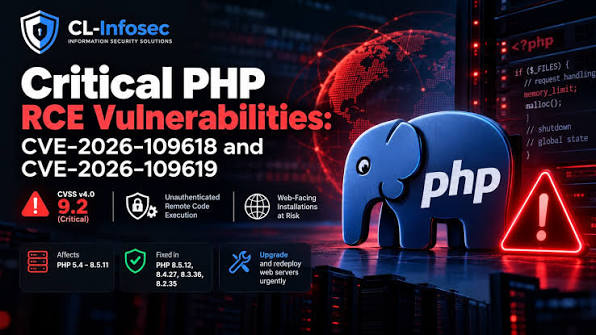
The PHP security team recently announced an imminent and crucial security update. They scheduled the release for October 21 at 14:00 UTC. This crucial patch addresses two severe vulnerabilities. Specifically, it resolves the issues identified as CVE-2026-109618 and CVE-2026-109619.
Critical CVSS Scores and Confirmations
According to the official announcement, both security flaws received a 9.2 score under the CVSS v4.0 framework. Consequently, experts classify them as “critical” threats. Furthermore, the cybersecurity firm watchTowr verified the severity of these issues. They confirmed that both flaws act as PHP zero-day RCE vulnerabilities within the environment.
On October 20, a user initiated a discussion on Hacker News. They revealed that two RCE vulnerabilities affecting PHP 5 and newer versions would soon emerge. Subsequently, related screenshots began circulating widely across social platforms like X and Mastodon. Soon after, watchTowr validated the existence of these flaws. However, the firm stated they could not disclose additional technical specifics at this time.
Accelerated Patch Deployment Strategy
Initially, PHP developers planned to lift the information embargo on October 22. Instead, they accelerated the deployment of the patched version to October 21. Furthermore, officials noted that they might advance the release schedule even more. This acceleration would occur if further details leak or actual exploitation attempts surface.
Currently, no public evidence indicates widespread exploitation of these vulnerabilities. Additionally, security teams have not identified any official temporary mitigation strategies. Therefore, immediate action remains paramount.
Urgent Actions for System Administrators
PHP serves as the foundational technology for platforms like WordPress, Drupal, and Magento. It also powers countless shared hosting services globally. Consequently, website administrators, cloud service providers, and enterprise operations teams must act swiftly. They should verify their server PHP versions immediately. Finally, they must upgrade their systems the moment developers release the official patch.