
Lufthansa Adopts AeroSHARK Aircraft Coating
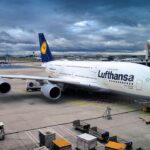
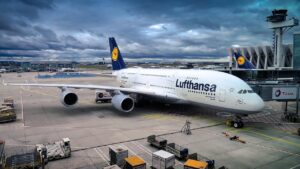
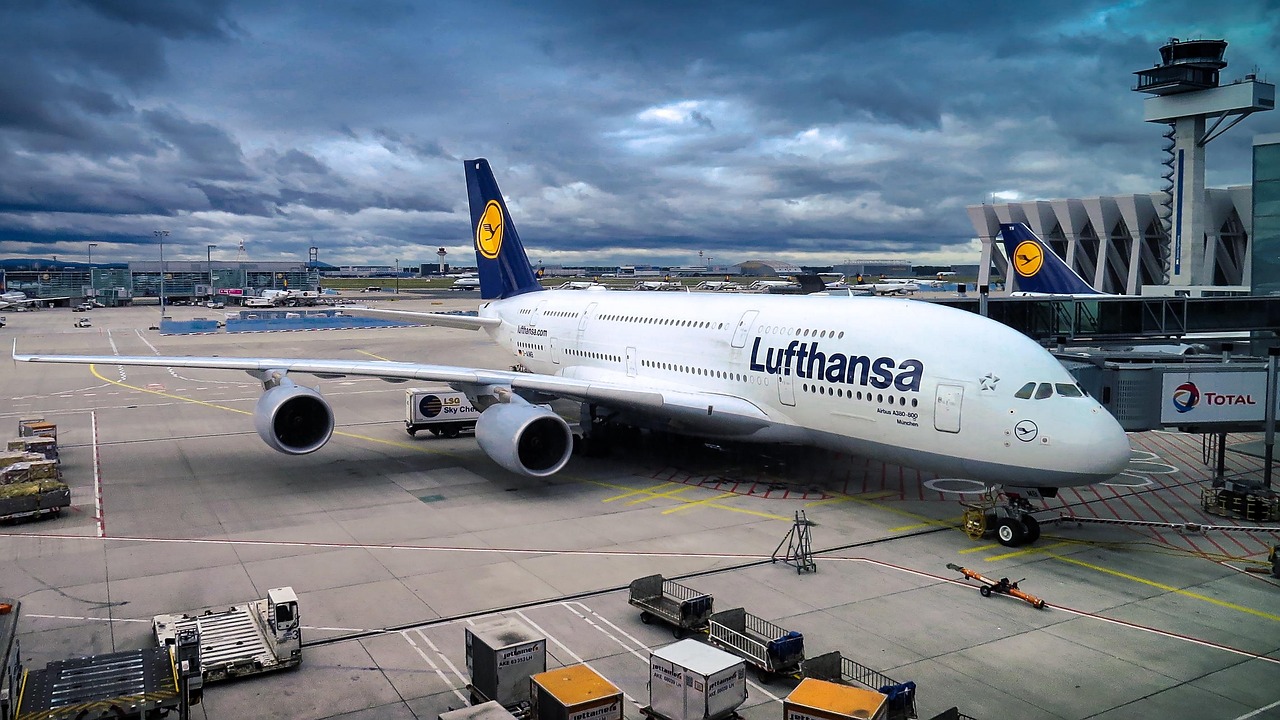
Lufthansa recently announced a fascinating upgrade for its Airbus A330-300 fleet. The airline will apply the innovative AeroSHARK coating to these aircraft. Consequently, this sharkskin-inspired technology allows planes to glide efficiently through the air.
The Hidden Drag of Aluminum Fuselages
An aircraft fuselage appears incredibly smooth from a distance. However, a closer inspection reveals countless microscopic pores and rough patches. When flying at 890 kilometers per hour, a thin air layer clings to the metal. This sticky layer creates a one-millimeter boundary filled with tiny vortices. As a result, this turbulence generates significant surface friction. Ultimately, this friction accounts for nearly half of the total aerodynamic drag.
Nature’s Blueprint: The Shark’s Secret
By contrast, a shark possesses remarkably rough skin. Anyone who has brushed against one knows this abrasive texture well. Scholars call these microscopic, tooth-like scales “dermal denticles.” Furthermore, these scales feature tiny, raised parallel ridges. Water naturally forms micro-vortices as it flows over the shark. Fortunately, these unique ridges push the swirling water away from the skin. Thus, they effectively suppress turbulence and reduce drag. This brilliant adaptation allows sharks to swim with incredible speed and grace.
Mimicking Biology with AeroSHARK
The AeroSHARK coating brilliantly replicates this biological marvel. Engineers craft this advanced material using specialized synthetic polymers. Furthermore, they press microscopic grooves into the surface at fifty-micrometer intervals. Therefore, the material perfectly mimics the geometry of natural dermal denticles.
Unlocking Unprecedented Efficiency
Official statements highlight the remarkable benefits of this technology. Applying this film reduces both fuel consumption and carbon emissions by roughly one percent. Moreover, expanding this treatment to the wings and tail maximizes the impact. Engineers project a maximum efficiency gain of two percent with full coverage.