
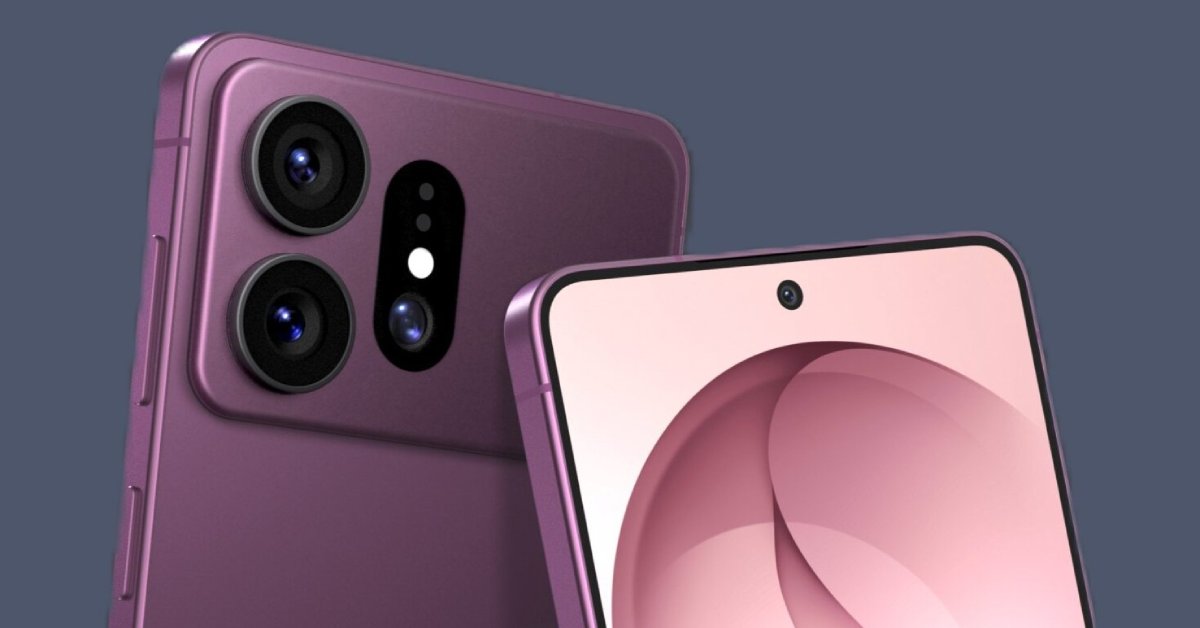
Samsung Galaxy S27 Pro and Ultra to Feature DC Dimming
Recent whispers suggest that Samsung Display is preparing to manufacture screens for the Galaxy S27. Indeed, production might have already commenced. Consequently, these emerging leaks appear highly credible. Furthermore, the S27 Pro and S27 Ultra will reportedly become the first Samsung smartphones to feature DC dimming. This revelation might sound improbable initially. However, a quick investigation reveals a surprising truth. Even the flagship Galaxy S26 Ultra currently relies on traditional PWM technology for brightness adjustments.
Understanding PWM and Display Flickering
To clarify this technology, PWM represents the conventional method for adjusting screen brightness. Essentially, it rapidly flickers the light source on and off. This creates an illusion of varying brightness levels. While effective, this technique essentially exploits the mechanics of human vision. Consequently, sensitive individuals frequently experience eye fatigue or debilitating headaches.
The Benefits of Direct Current Adjustments
Fortunately, DC dimming provides a sophisticated solution. It directly modifies the voltage supplied to the light source. Thus, it completely eliminates that unpleasant flickering effect. Nevertheless, implementing this technology remains remarkably complex. This difficulty increases significantly on modern displays featuring variable refresh rates.
However, complexity does not imply impossibility. For example, modern Xiaomi flagship devices successfully combine adaptive LTPO refresh rates with optional DC dimming capabilities. As previously noted, mastering this technology presents a formidable hurdle. Manufacturers often adopt a hybrid approach to circumvent these challenges. Specifically, they utilize DC dimming for high brightness levels and revert to PWM for dimmer settings. Ultimately, this implementation profoundly enhances user comfort and overall visual health, according to a recent report highlighting the Galaxy S27 series upgrades.
Samsung Display Tiers and Upcoming Features
Returning to the primary focus, fresh rumors indicate that the premium Galaxy S27 models will finally embrace DC dimming. Naturally, Samsung might still employ a hybrid system to achieve this milestone. Moreover, this upgrade aligns with a broader strategy to differentiate the S27 display tiers. According to industry insiders, the Pro and Ultra variants will utilize Samsung’s cutting-edge M16 OLED material. Conversely, the standard S27 and S27 Plus will likely receive the older M14+ formula.
Furthermore, the exclusive Privacy Display feature will return. Samsung originally introduced this advanced privacy tool on the Galaxy S26 Ultra. Evidently, this feature will remain exclusive to the upcoming Pro and Ultra editions.
The Missing 10-Bit Color Support
Frankly, Samsung’s decision to retain the niche Privacy Display feature seems quite surprising. This complex hardware implementation requires a substantial financial investment. In fact, it arguably demands more resources than adopting DC dimming. While we certainly appreciate these upcoming display enhancements, a glaring omission remains. Specifically, consumers are still waiting for genuine hardware-level 10-bit color support. Meanwhile, several fierce competitors are already pushing boundaries by offering magnificent 12-bit color displays.
Before critics flood the comment section, we fully understand the immense power of manufacturing economies of scale. When producing smartphones in massive volumes, saving mere cents translates to monumental financial gains. Therefore, we must maintain a balanced perspective on this complex industry issue. Samsung is certainly not acting as a greedy corporate villain in this scenario. For comparison, Apple iPhones also lack authentic DC dimming hardware. Instead, they offer a software-based smooth PWM mode within their settings menus. Furthermore, current iPhones completely lack proper hardware 10-bit color capabilities. Ultimately, the entire premium smartphone industry shares responsibility for these ongoing technological compromises.