
Microsoft Brings Advanced AI to Windows 11
Unveiling MAI Code 1.1 Flash
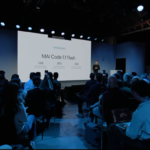
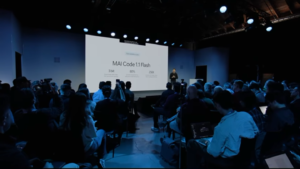
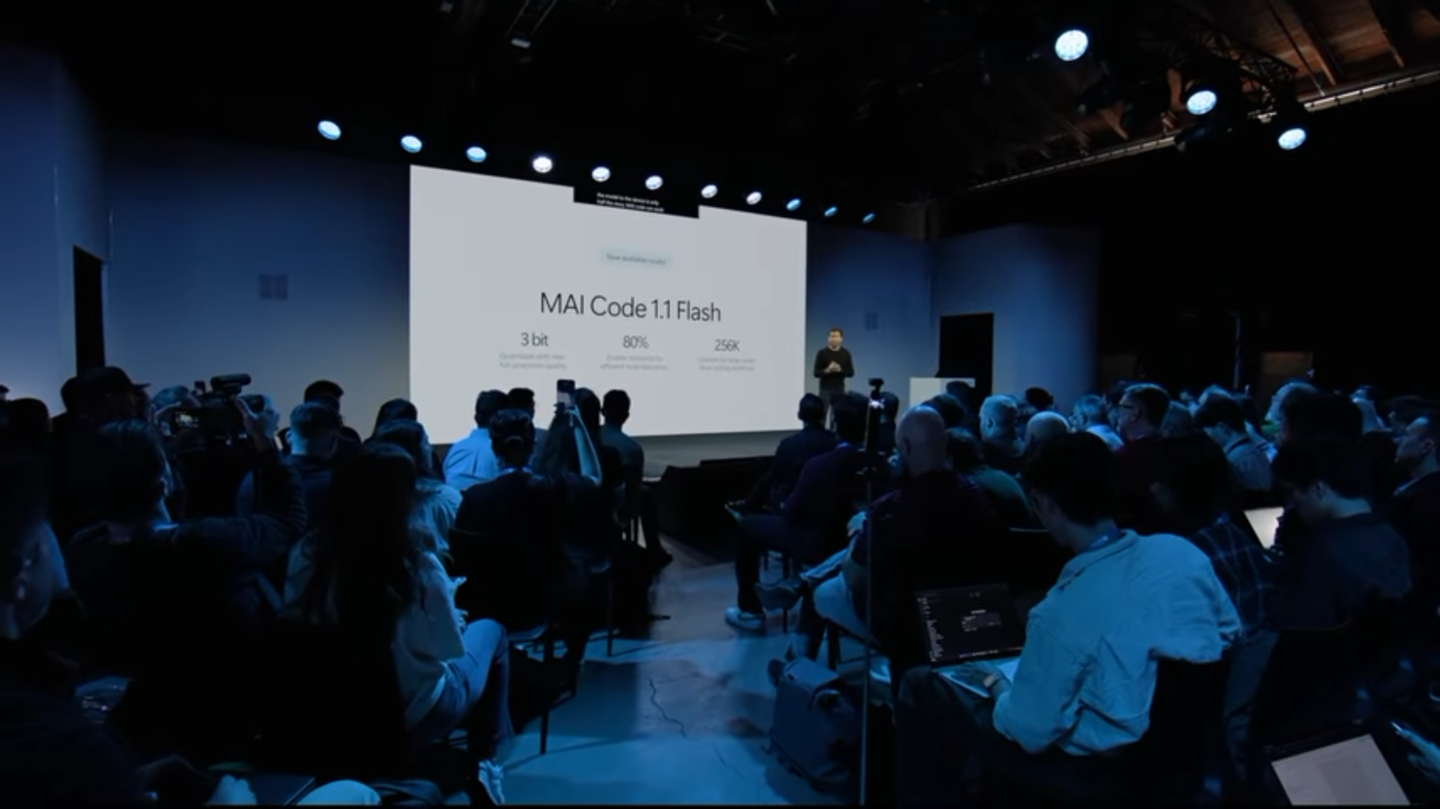
During a prominent event hosted in San Francisco on October 7, Microsoft made a significant technological announcement. The company revealed its ambitious plan to integrate the MAI Code 1.1 Flash model directly into Windows 11 devices. This formidable artificial intelligence model boasts an impressive 130 billion parameters. As the successor to the MAI-Code-1-Flash released last June, this upgraded version is already fully integrated into leading development environments like GitHub Copilot and VS Code. Developers currently utilize it extensively for daily coding tasks, repository inquiries, code refactoring, and complex tool invocations.
Microsoft intends to weave this technology even deeper into the core Windows operating system, effectively building Windows for hybrid intelligence. To achieve this seamless integration, developers utilized 3-bit quantization techniques. Consequently, they successfully reduced the physical footprint of the model by a remarkable 80 percent. Despite this massive reduction, it retains an expansive 256K context window.
Strategic Positioning and Efficiency
Regarding its strategic positioning, Microsoft designed this model primarily to operate within the Copilot ecosystem. Its core mission is to execute tasks with high frequency, minimal cost, and exceptionally low latency. It functions as a diligent assistant that seamlessly plans, reasons, and executes complex objectives within genuine development workflows. Crucially, it strives to accomplish these sophisticated tasks while consuming significantly fewer tokens, thereby driving down overall operational costs. For independent software developers managing cloud models for coding and market research, such efficiency directly translates into more sustainable workflows and reduced overhead.
Significant Performance Enhancements
When comparing performance metrics, the new MAI-Code 1.1-Flash demonstrates substantial improvements over its predecessor from June. Specifically, it achieved an approximate 22 percent performance increase on the Terminal-Bench 2.1 evaluation within the GitHub Copilot CLI. Furthermore, it recorded a 15 percent improvement when handling intricate .NET tasks. Simultaneously, the streaming speed for output tokens surged by nearly 25 percent. Remarkably, the total number of tokens required to successfully complete a given task dropped by roughly 25 percent.
New Multimodal Capabilities
In terms of multimodal capabilities, this updated model introduces a revolutionary “visualize-to-code” functionality. Unlike the purely text-based June version, this iteration can directly interpret diverse visual inputs. It effortlessly comprehends screenshots, architectural diagrams, and even rough UI sketches. This profound ability to “see” and understand images drastically accelerates the entire development lifecycle, bridging the gap from initial design concepts to final implementation.