
Tesla Develops In-House AI Navigation System for FSD v15
During the latest Tesla earnings call, Vice President Ashok Elluswamy announced a new initiative. The company is developing an in-house, AI-driven map and navigation system. This innovative mapping solution will debut alongside FSD v15. It integrates fleet-gathered data and personalized route planning. Furthermore, it completely supports advanced FSD voice controls.
Current Navigation Limitations
Currently, Tesla navigation relies on third-party mapping content paired with proprietary software. Previous reports clarified this setup during the launch of the “Preferred Route” feature. Google supplies base map tiles, street data, satellite imagery, points of interest, and traffic updates via an API. Meanwhile, Tesla builds the navigation application and calculates the actual routes. Consequently, the system can seamlessly incorporate Supercharger locations and user preferences into routing decisions.
At the earnings conference, a shareholder raised an important question. They highlighted existing Full Self-Driving (FSD) issues with speed limit recognition, parking, and route selection. Elluswamy readily agreed with this assessment. “You are completely right,” he stated. “We really should not rely on maps from external vendors.” Subsequently, he confirmed the development of the proprietary AI map. This system specifically aims to resolve current FSD shortcomings.
The New AI Map Architecture
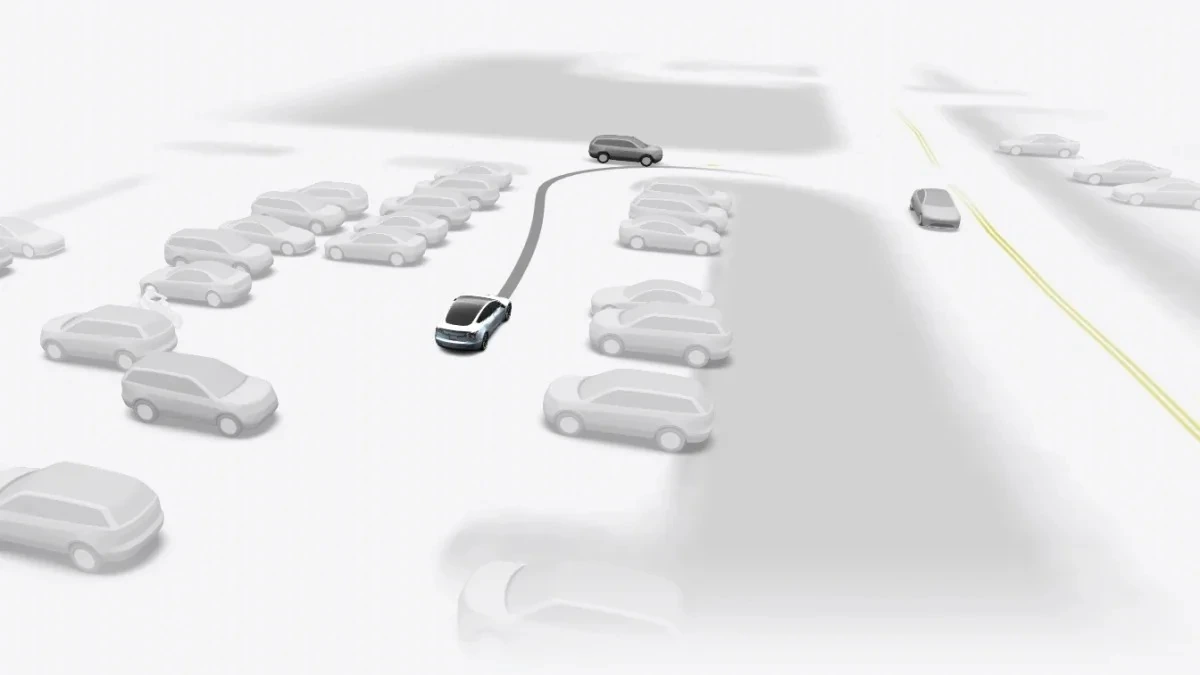
Elluswamy described this as a completely new architecture. It is not merely another version of a standard map. Fundamentally, this solution represents a dedicated AI-based map and navigation system. Therefore, the massive Tesla vehicle fleet will automatically harvest street information. The cars will continuously annotate data regarding travel speeds, stop signs, traffic lights, and parking lots.
Enhancing Safety and Parking
This fresh map architecture will unlock numerous novel capabilities. Tesla can overlay abundant information directly into the core map structure. This approach resolves major FSD pain points like complex routing and speed limits. Additionally, it ensures a smoother and significantly safer driving experience. For example, the system will accurately mark road potholes, blind entrances, and dangerous intersections.
The technology will highly likely optimize automated parking capabilities as well. It will actively support customized parking preferences within designated lots. Drivers could prioritize the closest open spaces, areas away from other vehicles, or accessible spots. To achieve this, the fleet will constantly gather the corresponding environmental data.
Future Rollout and Grok Integration
Elluswamy also noted that users can customize routes using precise voice commands based on this map. This feature perfectly aligns with the planned Grok integration slated for this autumn. Tesla previously launched the “Preferred Route” feature during its Summer 2026 update. When planning a journey, the system prioritizes paths the user has explicitly driven before.
In that same update, automatic navigation gained entirely new functionalities. Beyond home, work, and calendar events, it can now automatically navigate to other frequently visited destinations. The preferred route tool evolved directly from the alternative route feature introduced in 2022. That older function provided a strict maximum of three alternative paths.
Looking ahead, Elluswamy expects this new map to debut prominently within FSD v15. Initially, it will smoothly handle the departure and arrival phases of a scheduled trip. Over the following months, the system will gradually encompass all remaining navigation capabilities. These future updates will seamlessly integrate parking and voice control functions. You can explore this recent update announcement to learn more about the ongoing advancements.