
Code Hints at First Touchscreen MacBook
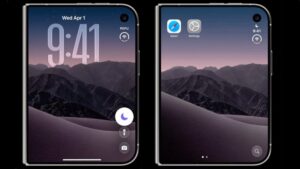
Technology publication MacRumors recently released a fascinating report today. By thoroughly examining the macOS 27.2 Beta 3 update code, developers discovered intriguing new clues. Consequently, these findings strongly suggest that Apple is actively preparing for its inaugural touchscreen laptop. Industry insiders widely anticipate the technology giant will name this groundbreaking device the MacBook Ultra.
Uncovering Touch Gesture Implementations
According to developer Aaron Perris, Apple has already initiated software adaptation efforts. Specifically, software engineers uncovered brand-new touch gesture code integrated directly into several core system applications. These updated programs include Safari, Photos, Notes, and Quick Look.
The recent software modifications introduce several highly specific technical implementations. First, the updated version of Safari now features a sophisticated touch sentinel recognizer. Second, the default Photos application gained an advanced component named PXGTouchDwellGestureRecognizer. Third, developers discovered the ICTouchPressGestureRecognizer buried deep within the Notes application. Finally, the versatile Quick Look utility now officially supports intuitive drag-and-touch functionality.
Expanding the Sidecar Experience
However, the publication responsibly noted an alternative interpretation for these discoveries. These specific code snippets might not definitively confirm the highly rumored touchscreen MacBook Ultra. Instead, another strong possibility exists. Apple might simply be expanding its popular “Sidecar” functionality.
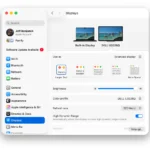
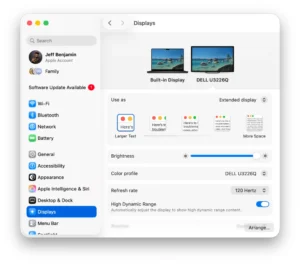
The company originally introduced this innovative feature in 2019 alongside macOS Catalina and iPadOS 13. Sidecar brilliantly allows users to connect an iPad wirelessly or via cable to serve as a secondary Mac display. Ultimately, consumers use this seamless integration to expand their desktop workspace or effortlessly mirror their primary screen. Therefore, these new touch capabilities might merely enhance the existing iPad companion experience rather than signaling a radical hardware shift.