
ETH Zurich Robotic Hand Walks on Its Own Fingertips
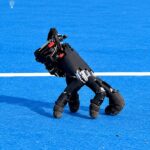
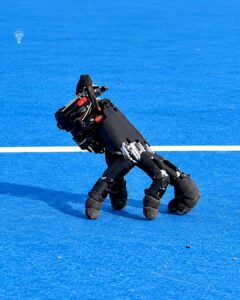
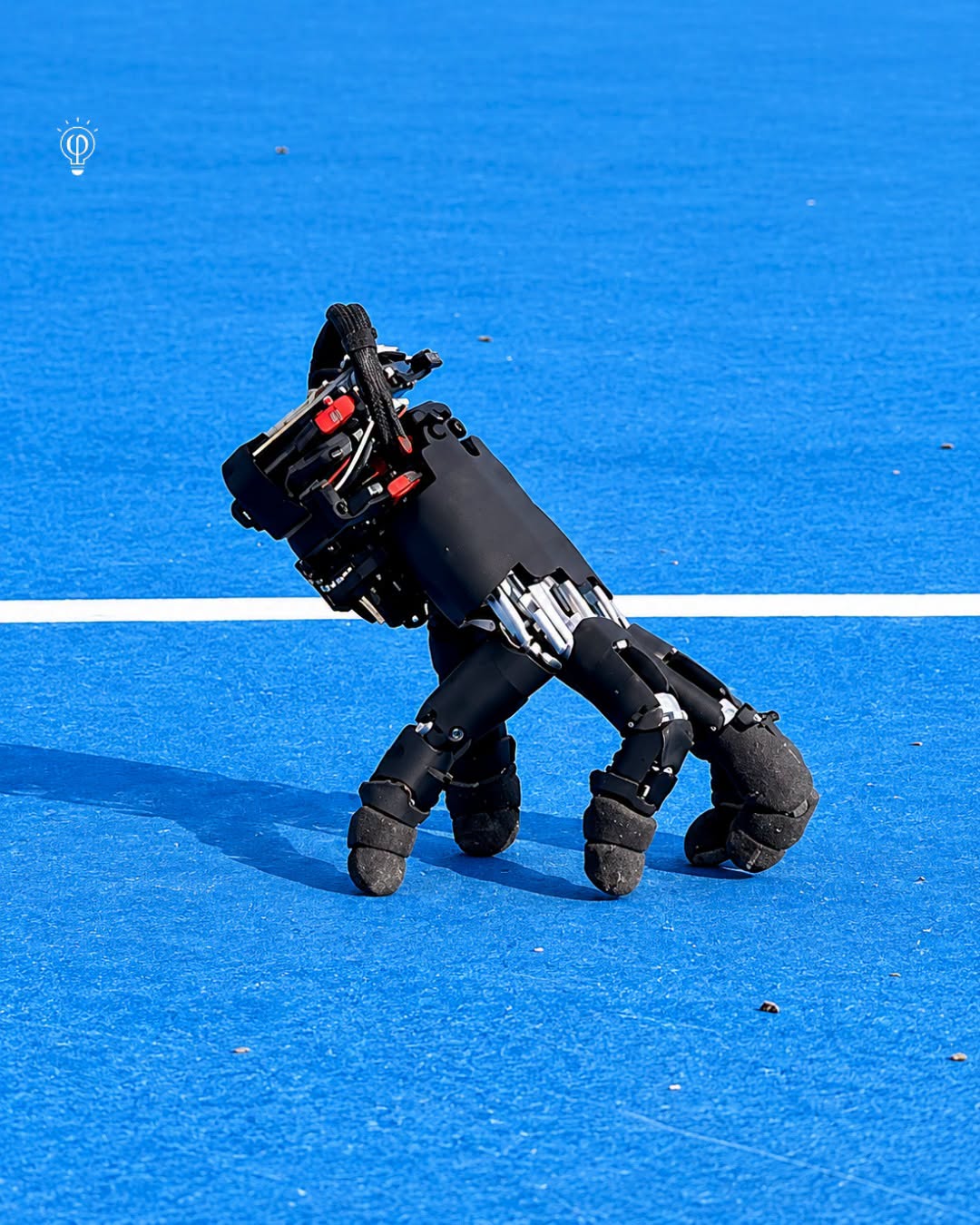
IT Home reported on September 29 that ETH Zurich Soft Robotics Laboratory researchers created a walking robotic hand. Remarkably, this detached mechanical appendage can navigate entirely on its own fingertips.
Engineering a Walking Hand
The research team modified a conventional, commercially available humanoid robotic hand. This complex device features five distinct fingers. Furthermore, it boasts twenty actively driven joints, allocating exactly four articulations to each digit. Rather than fundamentally redesigning the anatomical structure, the creators utilized existing hardware. They masterfully taught the machine to navigate using advanced reinforcement learning algorithms within a simulated environment. Additionally, engineers integrated a battery, a Raspberry Pi onboard computer, and motion sensors directly into the palm. Consequently, the entire 818-gram apparatus operates with complete autonomy.
Overcoming Balance Challenges
Teaching this disembodied hand to walk presented a formidable challenge. Naturally, the mechanical fingers vary significantly in length. Moreover, the thumb stands in direct opposition to the remaining four digits. Whenever the machine elevates a single finger to initiate a step, the entire structure immediately loses its delicate equilibrium.
Navigating Complex Terrains
The researchers meticulously trained this neural network using the NVIDIA Isaac Lab simulation platform. The intelligent system had to independently determine the precise moment to lift each digit. During this rigorous training phase, the algorithm received rewards for maintaining a stable posture and achieving forward momentum. Eventually, the robotic hand successfully discovered its own unique walking gait.
During extensive testing, the mechanical crawler effortlessly navigated fourteen distinct indoor and outdoor terrains. These challenging surfaces included asphalt pavement, ceramic tiles, natural grass, loose gravel, and fractured stone slabs. Impressively, the resilient machine autonomously recovered its standing posture twenty-one times out of twenty-five deliberate knockdowns.
Practical Manipulation Skills
Beyond mere locomotion, these versatile crawling fingers completely retain their ordinary manipulation capabilities. During compelling demonstrations, the robotic hand approached a standard computer keyboard and pressed keys with a ninety percent accuracy rate. Furthermore, it successfully completed a challenging level of the Sokoban puzzle game. The machine deftly pushed miniature blocks into designated target positions, achieving extraordinary millimeter-level positioning precision.
Future Practical Applications
The researchers envision highly practical applications for this extraordinary technology. Operators could deploy this mechanical hand near exceptionally confined spaces where massive, complete robots simply cannot enter. The autonomous hand could bravely crawl inside, manipulate specific objects or control panels, and subsequently return. Naturally, subsequent research and development must thoroughly validate the absolute feasibility of this visionary concept. Nevertheless, witnessing a completely disembodied robotic hand crawling directly toward you remains a profoundly unsettling experience.