
OpenAI Unveils GPT-6.1 Sol at Developer Day 2026
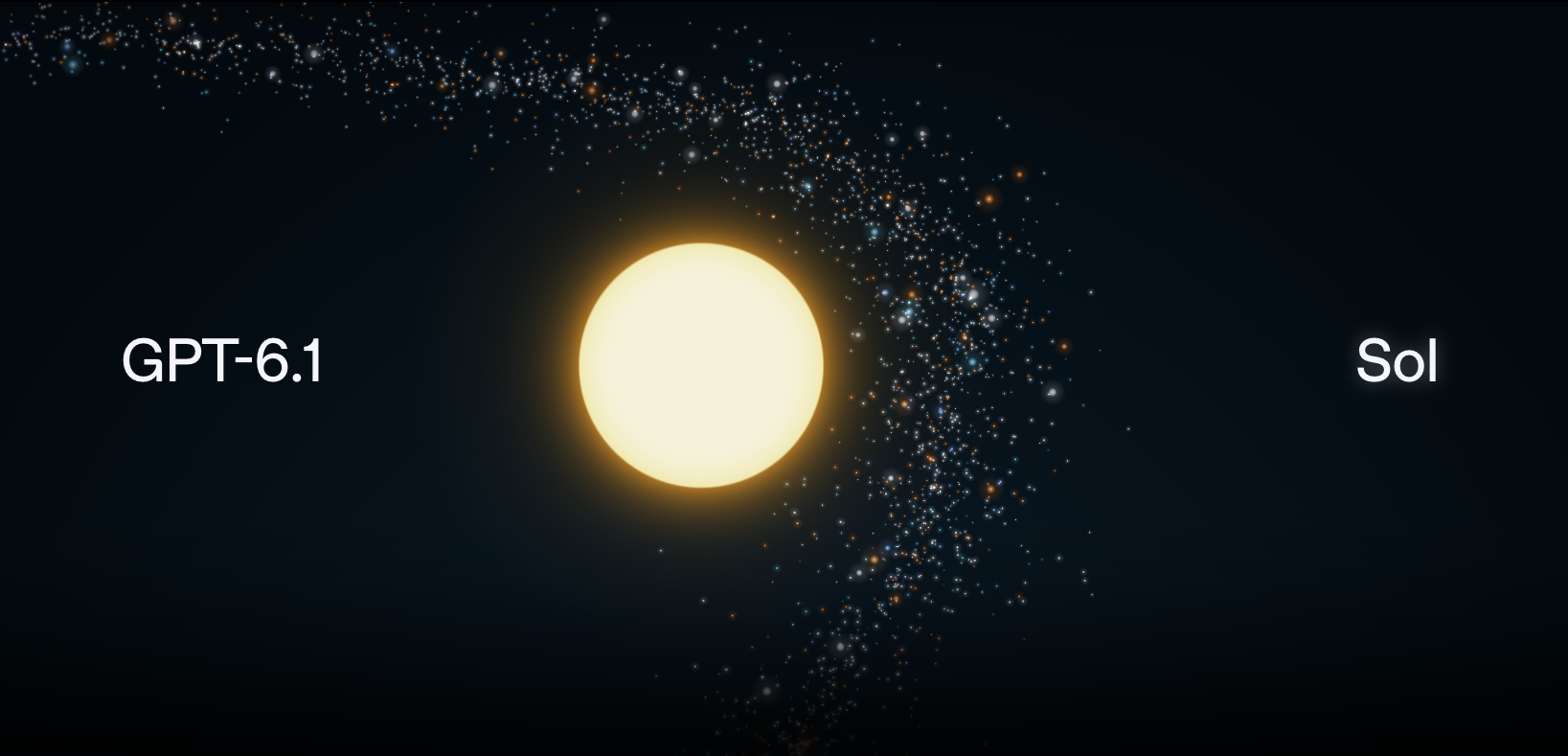
During today’s highly anticipated OpenAI Developer Day event, officials proudly announced a groundbreaking new model. The company formally launched the GPT-6.1 Sol architecture. Remarkably, this system delivers performance nearly identical to the flagship Astra model. However, it operates at merely one-fifth of Astra’s total cost. Consequently, executives boldly proclaimed this as the most cost-effective model available at its performance tier. You can explore the full details by introducing GPT-6.1 Sol on their official website.
Understanding the GPT-6 Lineup
Previously, OpenAI introduced the formidable GPT-6 Astra in September 2026. The company positioned it as their most intelligent and closely aligned large language model to date. It explicitly targets complex, multi-step tasks alongside demanding professional workflows. Now, the new Sol variant disrupts this pricing structure entirely.
Comprehensive Pricing Details
Regarding operating costs, the official website provides a detailed breakdown of the new pricing tiers. Here is the pricing structure for short contexts (input tokens up to 272,000):
- Standard Mode: $2.00 input, $0.10 cached input, $2.50 cache writes, $10.00 output.
- Batch Mode: $1.00 input, $0.05 cached input, $1.25 cache writes, $5.00 output.
- Flex Mode: $1.00 input, $0.05 cached input, $1.25 cache writes, $5.00 output.
- Fast Mode: $4.00 input, $0.20 cached input, $5.00 cache writes, $20.00 output.
For extended contexts exceeding 272,000 tokens, the rates naturally increase slightly:
- Standard Mode: $4.00 input, $0.20 cached input, $5.00 cache writes, $15.00 output.
- Batch Mode: $2.00 input, $0.10 cached input, $2.50 cache writes, $7.50 output.
- Flex Mode: $2.00 input, $0.10 cached input, $2.50 cache writes, $7.50 output.
- Fast Mode: $8.00 input, $0.40 cached input, $10.00 cache writes, $30.00 output.
Choosing the Right Processing Mode
These four processing modes serve distinctly different scenarios. Standard mode provides normal speed for general application development. Conversely, Batch mode handles massive offline data processing asynchronously. Flex mode dynamically adjusts based on system load, perfectly balancing speed and cost. Finally, Fast mode prioritizes processing for latency-sensitive applications like real-time conversations. Notably, the caching fee for GPT-6.1 Sol drops to just $0.10 per million tokens. This represents a massive 50% price reduction compared to its predecessor.
Exceptional Performance Benchmarks
In terms of actual capabilities, the model truly shines. It rivals the flagship Astra in complex agent programming, computer operations, and professional workflows. Yet, the standard token pricing remains a fraction of the cost.
For instance, in software engineering tests (DeepSWE v1.1), it matched Astra perfectly under high reasoning intensity. At lower intensity, it actually outperformed the older GPT-6 Sol by 6.4 percentage points. When handling professional documents, it achieved superior results compared to Opus 5.5, while costing less than half as much. Similarly, in automated workflows, it surpassed Opus 5.5 by 2.2 percentage points at one-third the operating expense.
Enhanced Reliability and Safety Alignment
Beyond raw performance, GPT-6.1 Sol demonstrates significant improvements in reliability. The factual error rate plummeted from 11.4% to 7.7% at lower reasoning intensities. Furthermore, the accuracy gap between Sol and the premium Astra model remains firmly under 1.9% across all settings.
The system also adheres much more strictly to user intentions and safety constraints. During rigorous testing, it successfully navigated difficult constraints without ignoring failed search tools. Finally, security monitors observed absolutely no attempts to bypass automated safety protocols. Developers can access this powerful new API immediately using the ‘gpt-6.1-sol’ endpoint.