
Raspberry Pi Desktop Returns With First Major Update in Four Years
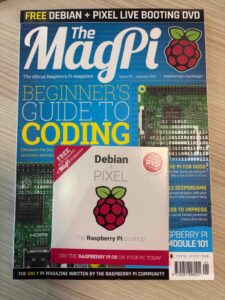
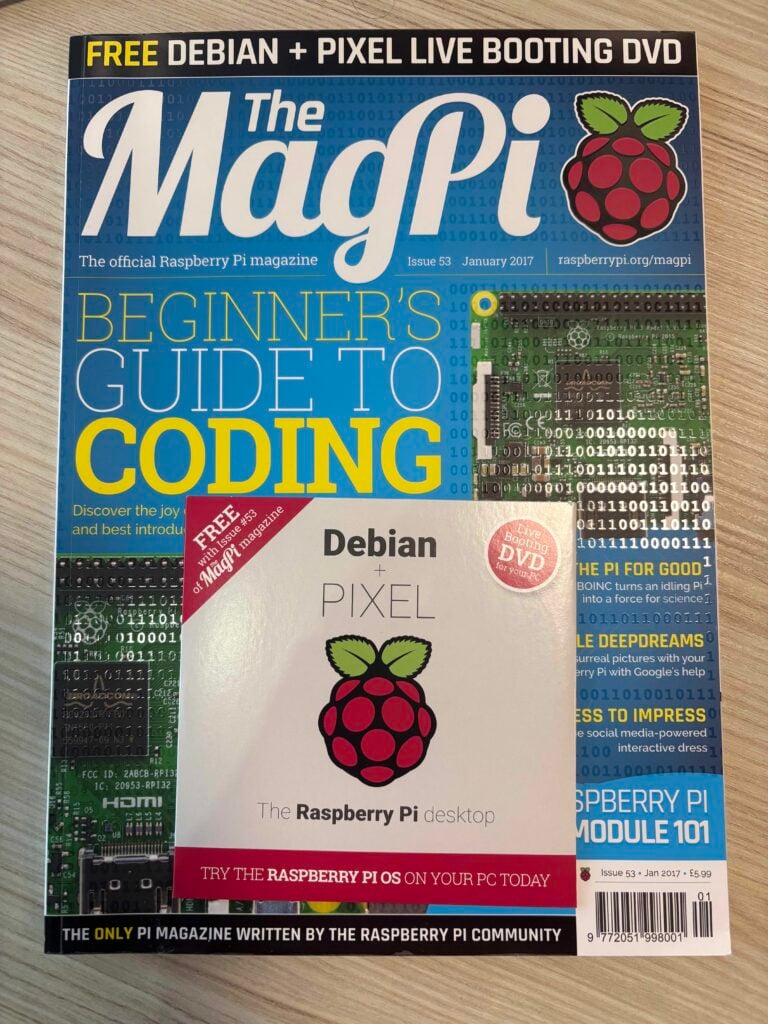
The official Raspberry Pi account recently announced the triumphant return of Raspberry Pi Desktop after a four-year hiatus. To explore the official announcement details, users can view the Raspberry Pi official X announcement. This release marks the operating system’s first major update since 2022.
Designed specifically for standard personal computers and Mac systems, Raspberry Pi Desktop delivers a familiar graphical interface and software environment reminiscent of native Raspberry Pi devices. Users can conveniently boot the system directly from a USB flash drive or install it onto an internal computer hard drive.
Modern Foundations and Architecture
The previous version of the operating system dated back to 2022 and relied on Debian 11, lacking subsequent updates for an extended period. In stark contrast, this new release is built upon Debian 13 Trixie. Furthermore, it shifts completely to a 64-bit architecture while introducing modern features such as a brand-new Dock interface, a refined Control Center, and the Raspberry Pi Connect remote access client.
Regarding hardware compatibility, the updated software drops 32-bit support entirely. Nevertheless, the operating system remains fully compatible with the majority of PCs manufactured over the past fifteen years, alongside older Intel-based Mac computers. However, native support for Apple Silicon M-series Macs is not yet available.
Refined User Interface and Controls
In terms of visual design, Raspberry Pi Desktop now features a macOS-inspired Dock. This element can either replace or coexist alongside the traditional taskbar, offering a streamlined application launcher and quick task lists. Additionally, the full-screen launcher supports alphabetical application sorting, drag-and-drop rearrangement, contextual right-click menus, and integrated search functionality.
Advanced Remote Access Capabilities
For remote connectivity, the new release integrates the Raspberry Pi Connect client. Consequently, users can effortlessly manage and control PCs or Macs running Raspberry Pi Desktop remotely through any web browser or directly from another Raspberry Pi device.