

Microsoft Authenticator Vulnerability Exposes Android Tokens
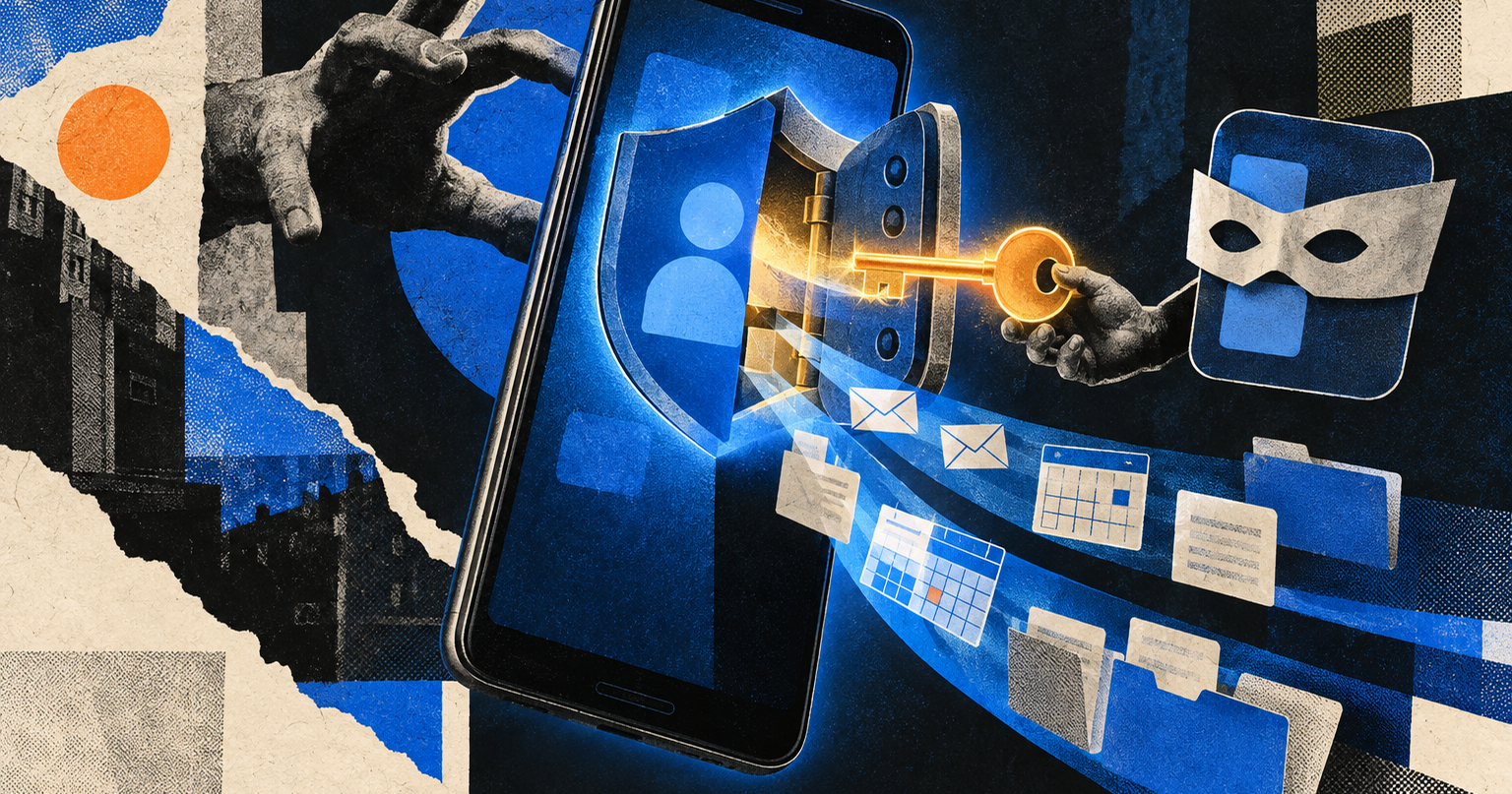
For countless enterprises, the primary bastion defending corporate credentials on mobile devices has been a trusted validation application. However, until a critical patch arrived this September, the Android iteration of Microsoft Authenticator harbored a staggering flaw. Specifically, it effectively surrendered sensitive access tokens for email, calendars, and collaborative platforms. It gave these keys to any software that simply requested them with a polite disguise. Astonishingly, this impersonation required zero system-level permissions to execute successfully.
Security researcher Ofek Levin, representing the cybersecurity firm Enclave, recently unveiled the intricate mechanics of this exploit. He suitably named the discovery campaign AuthMask. As detailed in a comprehensive analysis where experts demonstrated how they made Microsoft Authenticator hand over tokens, the underlying mechanism functioned poorly. Ultimately, it acted as an overly trusting broker.
The Mechanics of the Digital Masquerade
Within the Android ecosystem, the validation software orchestrates logins for productivity suites. First, it verifies the credentials. Then, it returns access keys upon success. Tragically, it exposed a specific interface, designated as AccountChooserActivity, to any software residing on the smartphone. The fatal error lay in its blind acceptance of caller-supplied parameters. These parameters included the package identity and redirection addresses.
Furthermore, the system verified these requests by cross-referencing the digital signature of the claimed identity. It compared this signature against the provided redirection address. Because the legitimate collaboration software was already present on the device, a rogue program could easily extract the authentic signature. Consequently, it could present a flawless counterfeit to the system. The authenticator blindly approved the transaction without ever verifying the true origin of the request. Ironically, it technically possessed the actual caller identity in its background ledgers all along.
Devastating Consequences of Exploitation
The consequences of this digital masquerade were profound and far-reaching. Malicious entities could harvest plain-text access, refresh, and identification keys easily. By merely pretending to be the official communication platform, a hostile program gained unfettered dominion. Thus, it could read, write, and transmit electronic mail, manipulate calendars, dispatch chat messages, and infiltrate SharePoint repositories.
Even more alarming, masquerading as the validation software itself granted adversaries massive power. It allowed them to manipulate login methodologies and establish unauthorized passkeys. Consequently, as highlighted in a recent report confirming that the Microsoft Authenticator vulnerability has been patched, attackers could maintain persistent access. They could stay hidden long after the original rogue application was eradicated from the handset.
Crucial Patches and Remediation Strategies
The technology giant officially rectified this severe oversight in early September. They cataloged the dangerous weakness under a specific tracking designation. According to the official security advisory for CVE-2026-80097, the defect earned an “Important” severity classification. It also received a high 8.6 impact score.
Meanwhile, independent researchers argued the attack required minimal user interaction. They claimed the presence of an active profile was enough. Conversely, the software creator maintained that perpetrators needed to trick victims into actively completing a login sequence.
Administrators must ensure their mobile fleets run Android builds newer than 6.2606.4246. Updating the software successfully closes this perilous loophole. Because this infiltration strategy relies entirely on the presence of deceptive software, enforcement is critical. Therefore, applying strict policies against sideloading unverified applications remains a paramount defense strategy.