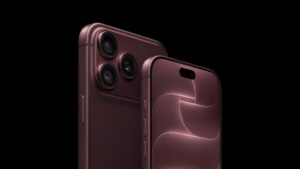


Apple Unveils Under-Display Face ID for iPhone 18 Pro
Technology publication 9to5Mac published an insightful report yesterday regarding a monumental shift in smartphone engineering. For the newly introduced iPhone 18 Pro and iPhone 18 Pro Max, Apple successfully embedded the Face ID module entirely beneath the display. Consequently, this remarkable innovation marks a crucial stride toward the company’s ultimate vision of a “single pane of glass” design.
Flawless Display Experience
During daily use, owners of these flagship devices will remain completely oblivious to the hidden sensors beneath the screen. Whether observing from a distance or shooting macro imagery, the display appears flawless. Indeed, one would require a microscope to discern the subtle variations in pixel arrangement.
Regarding technical execution, the publication categorizes this triumph into three distinct strategies. First, engineers cleared a path for infrared light. Second, they compensated for brightness disparities. Finally, they concealed imperfections with advanced filters.
Redesigning Pixel Architecture
Traditionally, facial recognition relies on emitting and receiving infrared light. However, standard screens feature densely packed pixels that obstruct these invisible wavelengths. To resolve this, Apple engineers meticulously redesigned the pixel architecture. Specifically, they deliberately widened the microscopic gaps between pixels in the exact area situated above the TrueDepth camera module.
While invisible to the naked eye, these meticulously engineered apertures allow infrared light to traverse freely. Thus, the system completes its crucial emission and reception cycle. The pixel density in this specific zone was reduced by fifty percent. Metaphorically speaking, if a row previously contained ten bricks, it now holds only five. This deliberately leaves generous gaps for infrared transmission.
Overcoming Technical Challenges
Naturally, halving the pixel density introduces a noticeable dilemma. This specific region might appear visibly darker, resembling an unsightly patch on the display. To counteract this phenomenon, Apple implemented a sophisticated localized brightening solution. By utilizing advanced driver chips, they significantly amplified the pixel luminance in that specific area. Ultimately, this ensures the human eye perceives a uniform brightness across the entire screen.
Implementing Advanced Filters
Despite these brilliant adjustments to pixel spacing and illumination, a potential hazard lingered. Visible light could inadvertently escape through these newly created gaps, potentially causing abnormal color shifts. Therefore, Apple ingeniously integrated an internal infrared filter directly into the display panel. Functioning much like a one-way door, this specialized layer permits infrared light to pass while strictly blocking any visible light leakage.
The Ultimate Design Vision
The concept of a “single pane of glass” originates from the profound ultimate design vision proposed by Apple’s former Chief Design Officer, Jony Ive. According to this ambitious philosophy, future iterations of the smartphone should consist of a singular, seamless sheet of glass. This ideal device remains completely devoid of external apertures. Consequently, all critical sensors, advanced cameras, and acoustic speakers would hide flawlessly beneath this surface. The user would perceive nothing but a pure, uninterrupted expanse of glass.
This profound ideology traces its origins back to the earliest design discussions surrounding the original smartphone. Ive passionately argued that any visible apertures, prominent bezels, or protruding physical buttons fundamentally disrupted the device’s “pure form.” In its most idealized state, the hardware should appear as if it organically “grew” from a single block of glass. It must remain entirely free from artificial cutting marks or functional perforations.