
Nvidia Unveils the DGX Station for Windows
A Desktop AI Powerhouse
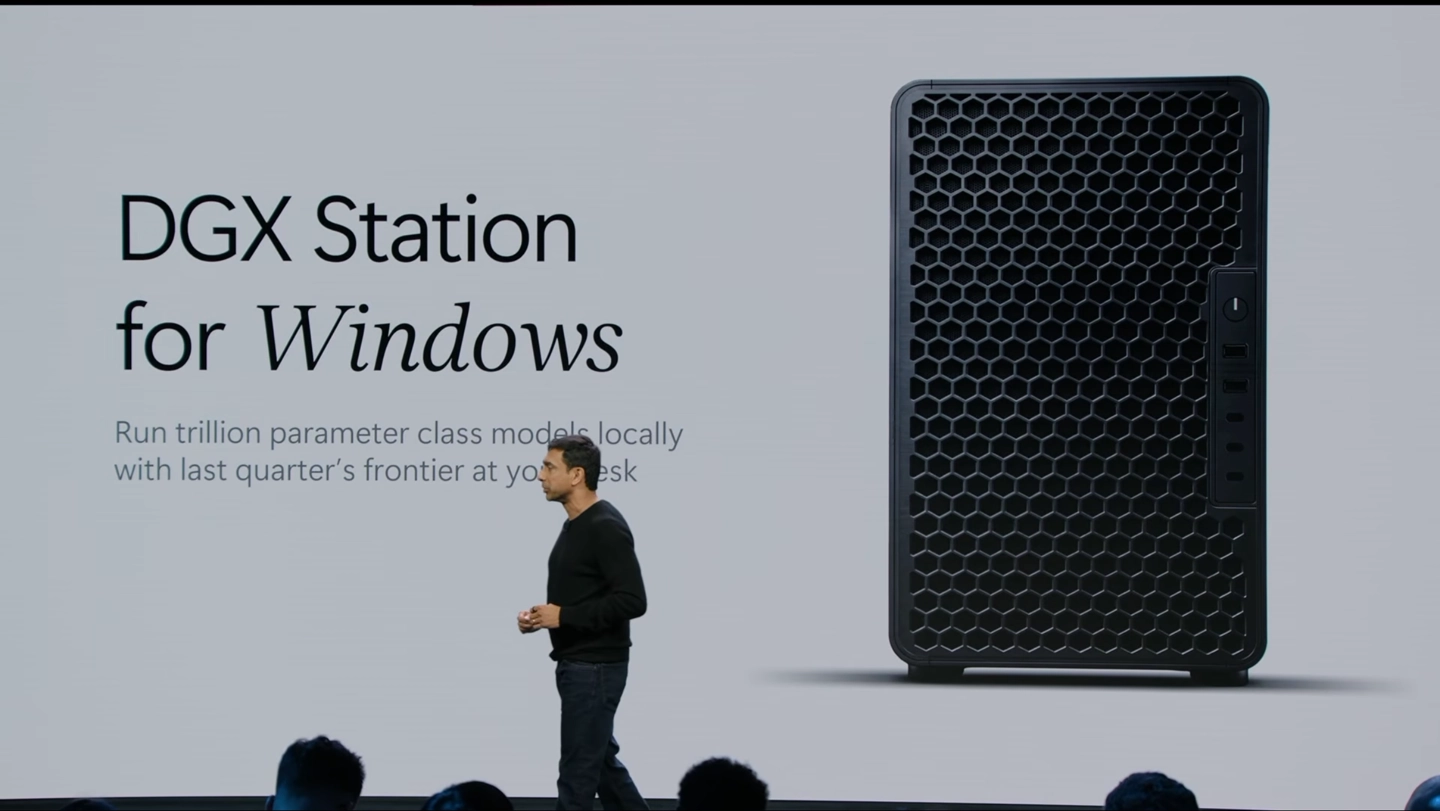
Nvidia officially unveiled the highly anticipated DGX Station for Windows during a major launch event. This significant announcement took place in San Francisco on October 7 at 10:00 AM Pacific Time. The company strategically positioned this groundbreaking machine as a true desktop-class artificial intelligence supercomputer. Nvidia specifically designed this system to empower developers, elite researchers, and dedicated data science teams. It allows them to execute massive AI models seamlessly within a local environment. Consumers can expect this formidable workstation to hit the market in the fourth quarter of 2026. For more detailed product information, you can explore the official Nvidia DGX Station workstation page.
Unprecedented Hardware Specifications
According to the official announcement, the DGX Station boasts truly extraordinary hardware specifications. At its core, it features the magnificent NVIDIA GB300 Grace Blackwell Ultra Desktop Superchip. This sophisticated architecture gracefully integrates a 72-core Grace CPU alongside the monstrous Blackwell Ultra GPU. Furthermore, the system supports an astounding maximum of 748GB of unified memory.
This immense memory pool precisely comprises 252GB of ultra-fast HBM3e GPU memory paired with 496GB of LPDDR5X CPU memory. Consequently, this engineering marvel delivers a staggering peak AI computational power of 20 PFLOPS. With such immense capabilities, the system can effortlessly run sophisticated models containing approximately one trillion parameters.
Bridging the Gap Between Data Centers and Desktops
Compared to traditional high-performance workstations, the DGX Station offers a distinct and powerful value proposition. Its primary selling point lies in successfully compressing data-center-grade hardware into a manageable desktop form factor. It perfectly marries unified memory architecture with the comprehensive NVIDIA AI software stack. Thus, developers can conduct intricate model fine-tuning, swift inferencing, and advanced agent development locally. They can also rigorously test complex generative AI applications right at their desks. Ultimately, this local execution drastically reduces the severe latency, exorbitant costs, and pressing privacy concerns typically associated with cloud-based data uploading.
Integrating with the Windows Ecosystem
Nvidia deliberately integrated the DGX Station deeply within the familiar Windows ecosystem. This strategic decision means developers can harness the immense power of local large models within a comfortable, ubiquitous operating environment. They can freely explore the creation of AI agents, sophisticated Copilots, and innovative hybrid intelligent applications.
However, such magnificent power naturally demands substantial energy. The system’s peak power consumption reaches a massive 1,600 watts, necessitating a dedicated 20-amp electrical circuit. This formidable power requirement clearly demonstrates the true nature of the device. Although it occupies a standard desktop footprint, it essentially functions as a robust, professional-grade local AI infrastructure.