
Gigabyte RTX 5070 Ti Overclocked to Record 39 Gbps
Shattering Memory Speed Limits
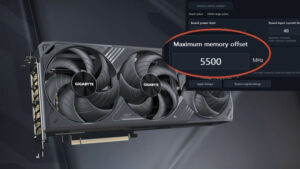
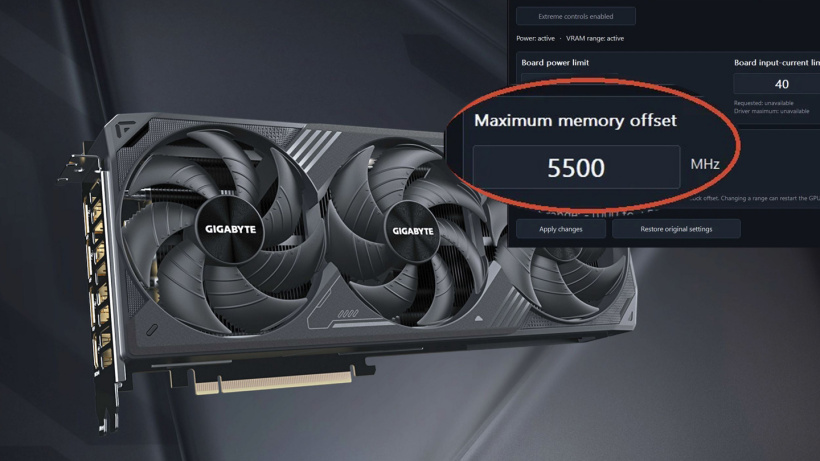
According to Wccftech, an enthusiast recently achieved remarkable graphics card performance. A Reddit user named u/Sad-Victory-8319 utilized a specialized application called mVolt+ Extreme. They configured the GDDR7 memory frequency offset of a Gigabyte GeForce RTX 5070 Ti to a massive +5500MHz. Consequently, this bold adjustment elevated the effective memory speed dramatically. The speed surged from the standard 28 Gbps to an astonishing 39 Gbps. As detailed online, this overclocker pushes RTX 5070 Ti GDDR7 memory to 39 Gbps with a 5500 MHz OC, setting a new benchmark.
Analyzing the Bandwidth Surge
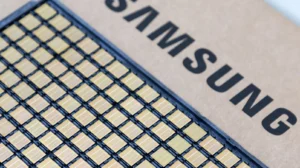
The graphics card features 16GB of Samsung GDDR7 memory alongside a 256-bit bus interface. Therefore, its theoretical memory bandwidth leaped from 896 GB/s to a staggering 1248 GB/s. This change represents a substantial 39 percent increase overall. Furthermore, this upgraded bandwidth exceeds the default capacity of the flagship RTX 4090 by more than 200 GB/s. However, the actual gaming performance enhancements remain notably smaller than these impressive figures suggest. The user reported their findings in Cyberpunk 2077 with path tracing enabled. Specifically, every +1000MHz memory offset yields approximately 1 FPS in performance gain. Thus, the +5500MHz adjustment translates to a modest increase of around 5 FPS.
Real-World Gaming Impact
According to analysis by OC3D, the RTX 5070 Ti does not suffer from inherent memory bandwidth constraints. Its default 896 GB/s capacity adequately supplies the GPU core across most demanding gaming scenarios. Accordingly, the practical benefits of additional bandwidth remain quite limited. Nevertheless, the user observed a commendable 20 percent performance boost in the Steel Nomad synthetic benchmark. In reality, mainstream overclocking utilities generally restrict GDDR7 memory offsets. Popular software like MSI Afterburner limits these adjustments to a maximum of around +3000MHz. Meanwhile, developers designed mVolt+ Extreme specifically to bypass these conventional limitations entirely.
Hardware Risks and Stability Concerns
Wccftech notes that this particular tool previously demonstrated extraordinary capabilities. It managed to unlock the RTX 5090 TDP to 700W without requiring physical shunt modifications. However, it remains an unofficial third-party application. Naturally, extreme overclocking inherently introduces significant hardware risks. Regarding overclocking stability, the user encountered a severe driver crash when attempting a +6000MHz offset. This failure caused the hardware configurations to reset automatically. In the same discussion thread, another enthusiast confirmed their own findings. Their RTX 5070 Ti operated reliably at +5500MHz, but it also proved completely unstable at +6000MHz.
Varying Silicon Quality Limits
The underlying silicon quality varies significantly among different graphics cards. Some users successfully achieve memory offsets exceeding +5000MHz without issue. Conversely, ASUS Prime RTX 5070 Ti owners report their maximum threshold hovers near +4500MHz. According to Igor’s Lab, 39 Gbps does not represent a universally stable operating frequency. Instead, it serves as a verified individual achievement for this specific silicon lottery winner. Previously, the Brazilian overclocking team Teclab attained memory speeds surpassing 36 Gbps in March 2026. Ultimately, this recent 39 Gbps milestone further breaks the public overclocking record for this remarkable graphics card.