Tesla Driver Assistance Crash Prompts NHTSA Investigation
According to a recent report from Electrek, Tesla submitted a new crash document to the National Highway Traffic Safety Administration (NHTSA). This file confirms a crucial detail. The driver assistance system of a vehicle remained active right before a severe collision this past August.
## Tragic Collision on Route 55
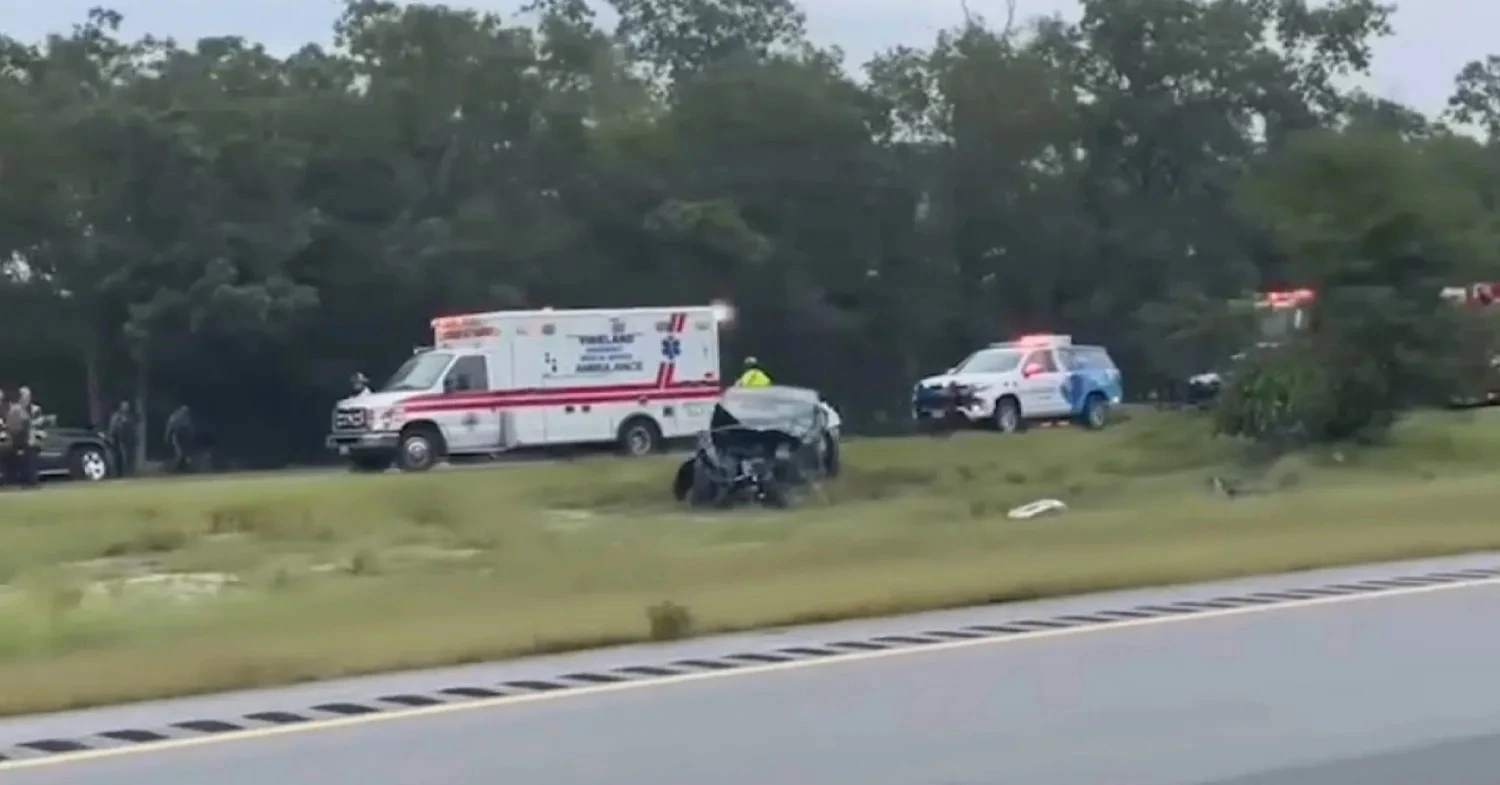
The New Jersey State Police provided specific details regarding the incident. At roughly 8:31 a.m. on August 22, 2026, a Tesla Model Y lost control heading south on Route 55 in Vineland. Consequently, the vehicle veered off the left edge of the road near milepost 34.6. It tore through the grassy median and struck several trees.
Afterward, the car vaulted into the northbound lanes. It slammed into an oncoming Chevrolet SUV. Tragically, the crash killed the SUV driver, 68-year-old Phillip Eastman. In addition, the Tesla driver and a Chevrolet passenger suffered injuries.
Eastman lived in Springfield, Pennsylvania. He dedicated his time as a local school board member. Furthermore, he spent nearly three decades coaching youth and high school ice hockey. This impressive tenure included 17 years leading the Springfield high school varsity squad.
## Uncovering the Autopilot Connection
Initially, local news outlets described the wreck merely as a loss of vehicle control. Early stories completely omitted any mention of Autopilot or Full Self-Driving (FSD). However, journalists recently discovered a missing link. Tesla matched this specific accident to a previously undisclosed fatal crash record involving automated driving systems.
In the newly filed paperwork, Tesla identified the car as a 2021 Model Y. Importantly, the manufacturer marked the system engagement status as “Verified Engaged.” This designation proves that either Autopilot or FSD was running.
## Redacted Details and Federal Rules
Despite this confirmation, the official submission lacks crucial specifics. Tesla refused to disclose exactly which software version operated during the crash. Moreover, the automaker labeled the accident narrative and operational boundaries as confidential business information. Therefore, regulators redacted those vital sections.
Automakers must follow strict guidelines under the NHTSA Standing General Order. They must alert authorities if a Level 2 automated system operated within 30 seconds of a fatal impact.
Interestingly, the paperwork noted a vehicle speed of 60 km/h before the impact. Yet, this metric likely reflects a single telematics snapshot rather than the exact exit speed. Finally, Tesla only acknowledged possessing basic telematics data. The company did not indicate having event data recorder logs or onboard video footage. Thus, independent investigators lack sufficient evidence to fully reconstruct the tragic event.