
TVA Secures Historic Approval for SMR Project
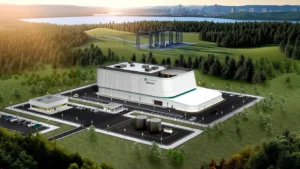
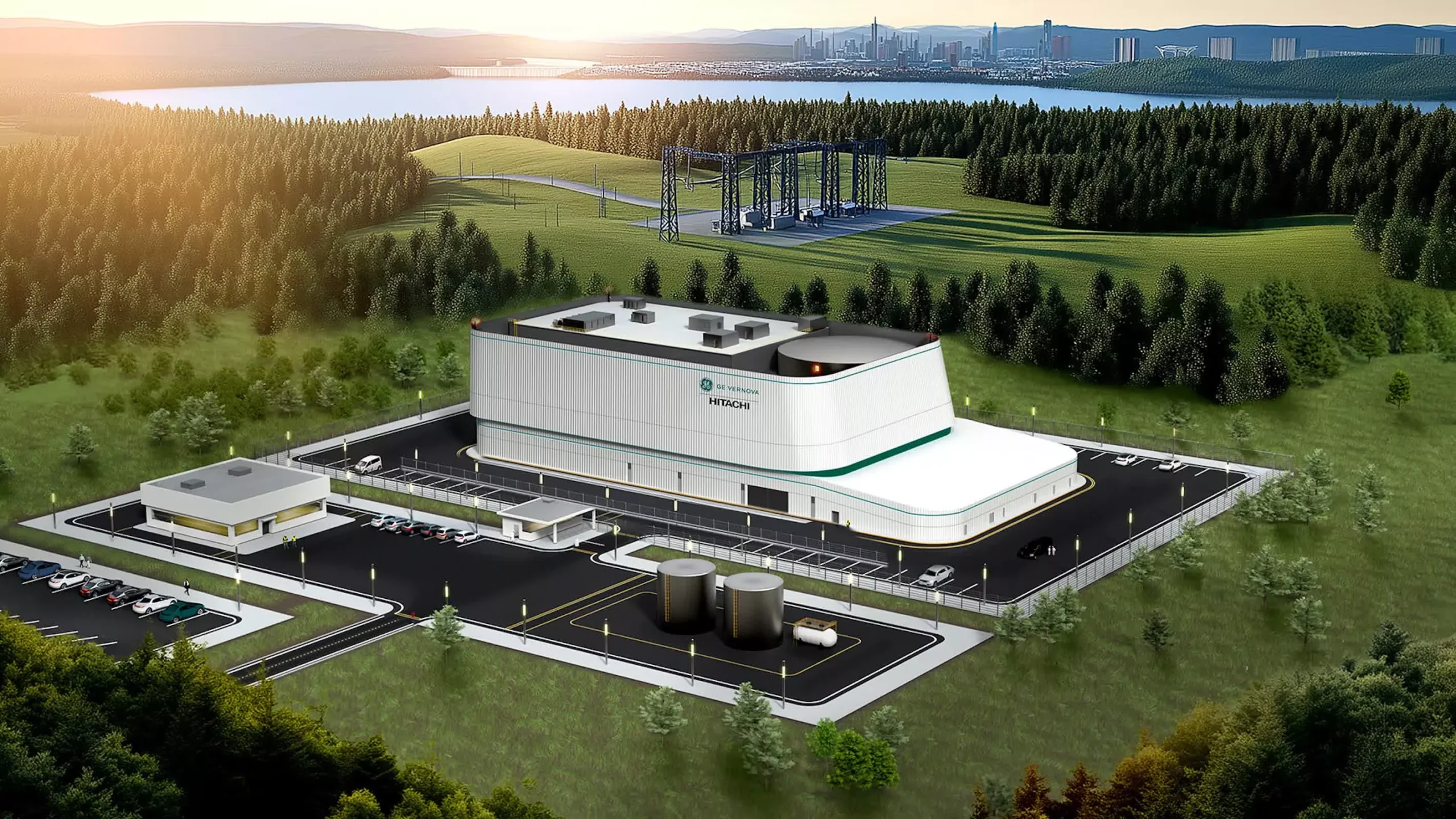
The Tennessee Valley Authority recently procured federal authorization. Engineers will construct a BWRX-300 modular reactor at the Clinch River site in Tennessee. Consequently, this marks the first time a United States utility company has received such regulatory clearance. Industry experts perceive this milestone as a pivotal advancement. It significantly reinvigorates the nationwide commercialization of compact nuclear technology.
Remarkably, the Nuclear Regulatory Commission completed its exhaustive review in just fourteen months. Therefore, regulators arrived approximately four months ahead of their original schedule. This specific authorization formally constitutes a foundational construction permit. Thus, the authority may officially commence building the reactor. However, it does not grant immediate operational privileges. Before loading nuclear fuel, operators must acquire a separate operating license.
Understanding the Compact Boiling Water Technology
This specific reactor functions as a compact boiling water system. Its fundamental technology does not rely on entirely novel atomic principles. Instead, it builds robustly upon decades of proven commercial experience. As the name implies, this sophisticated system utilizes water as its primary coolant. Furthermore, it leverages the natural circulation of fluids to drive the cooling process.
A single unit boasts a designed generating capacity of roughly 300 megawatts. This impressive output equals about one quarter of the newest massive reactors at Plant Vogtle. Unlike traditional installations, developers aim to drastically reduce the physical scale of individual projects. Subsequently, they hope to achieve profound economies of scale by constructing multiple standardized units.
Advanced Passive Safety Mechanisms
Moreover, the architecture incorporates numerous passive safety mechanisms. During unforeseen emergencies, specific safety protocols harness gravity to achieve vital cooling. They also utilize natural atmospheric pressure and strategically stored water reservoirs. Consequently, the reactor does not rely entirely on electrically driven pumps. This elegant design proactively eliminates redundant mechanical systems. Ultimately, it promises a substantial reduction in overall complexity while elevating critical safety margins.
GE Vernova Hitachi and its strategic partners aspire to minimize the required component count. Additionally, they aim to drastically shrink the overarching facility footprint. Theoretically, manufacturers can prefabricate most intricate components within controlled factories. Workers then transport these modules directly to the site for rapid assembly. Therefore, project managers can dramatically curtail arduous on-site construction labor.
Economic Advantages and Strategic Expansion
The genuine economic superiority of this technology does not stem solely from its diminutive stature. Rather, it originates from consecutively constructing multiple units using a singular blueprint. If developers can consistently leverage identical components, they can systematically slash financial expenditures. Through bulk procurement and streamlined factory production, they can significantly compress project timelines.
Currently, the Tennessee Valley Authority is meticulously evaluating a major expansion. They might deploy up to four such reactors at the Clinch River location. Nevertheless, the authority has not yet disclosed a definitive commencement date for groundbreaking. Furthermore, executives have not revealed the projected final financial costs for this monumental undertaking.
Powering the Artificial Intelligence Revolution
The renewed American fascination with compact nuclear technology parallels an exponential surge in electricity demand. The rapid proliferation of artificial intelligence data centers primarily drives this exceptional growth. These colossal facilities require an uninterrupted, immense supply of power. Furthermore, their aggregate energy consumption will likely balloon in the impending future. For besieged grid operators, securing stable, round-the-clock generation has become increasingly paramount. They desperately need energy sources that do not rely upon unpredictable weather conditions.
Consequently, atomic energy has resurfaced as a highly coveted power source. Compared to solar and wind alternatives, nuclear power consistently delivers steadfast baseload electricity. Additionally, its operational phase produces absolutely zero direct carbon dioxide emissions. Conversely, constructing novel nuclear facilities has historically grappled with agonizingly prolonged development cycles. Utilities also suffer from staggering initial investment requirements and notorious cost overruns.
Overcoming Historical Construction Hurdles
The two massive reactors recently erected at Plant Vogtle serve as a quintessential cautionary tale. These twin behemoths ultimately accumulated a staggering cost exceeding 35 billion dollars. Moreover, they commenced commercial operations several years behind their original schedule. Proponents of compact modular technology forcefully argue for utilizing a highly standardized design. By maximizing factory prefabrication ratios, they hope to circumvent chronic pitfalls plaguing traditional endeavors.
However, this optimistic theory still demands rigorous validation through tangible execution. The Clinch River initiative will undoubtedly serve as a critical crucible. It must conclusively test the commercial viability of this advanced technology within the United States. Even if the intrinsic design mitigates construction complexities, the actual deployment remains highly susceptible. Volatile supply chains, stringent regulatory hurdles, and intricate financing structures can easily disrupt progress.
Global Proving Grounds and Future Prospects
Meanwhile, Canada has emerged as another pivotal proving ground for this commercialization journey. Ontario Power Generation is currently preparing to construct a cluster of these advanced reactors. Crews have already completed foundational site preparation for the inaugural unit. Both utility companies fervently hope to forge powerful economies of scale. They intend to achieve this by utilizing identical reactor designs spanning international procurement and manufacturing.
Similarly, enterprises within the state of Texas are actively adopting analogous strategies. Blue Energy has formally applied to deploy these specific reactors across various sites. They expressly intend to utilize them to power ravenous data centers. Simultaneously, the company aspires to drive down overarching expenses through massive component manufacturing.
The Future of Nuclear Energy in the AI Era
Should data centers continue expanding at their current blistering pace, electrical infrastructure will inevitably become a primary bottleneck. Traditional natural gas, coal, solar, and wind technologies all suffer from distinct liabilities. Because atomic energy delivers enduring power, several American utility conglomerates have begun profoundly reassessing its vital role.
Nevertheless, whether this specific reactor model can genuinely transform into an economically viable power source remains uncertain. The utility has merely secured a preliminary construction permit for the site. The project has neither commenced commercial operations nor generated finalized financial data. Consequently, the forthcoming pace of construction will directly dictate its widespread commercial adoption.
The regulatory commission’s expeditious review signifies that American modular reactors have finally progressed beyond theoretical design. If operators can successfully complete the facility while strictly controlling costs, this technology possesses immense potential. It could easily become a paramount blueprint for America’s next generation of nuclear projects. Concurrently, it could provide a revolutionary solution to satiate the ever-growing electrical demands of modern data centers.