
Google Launches Gemini 4 Carbon for Advanced Cybersecurity
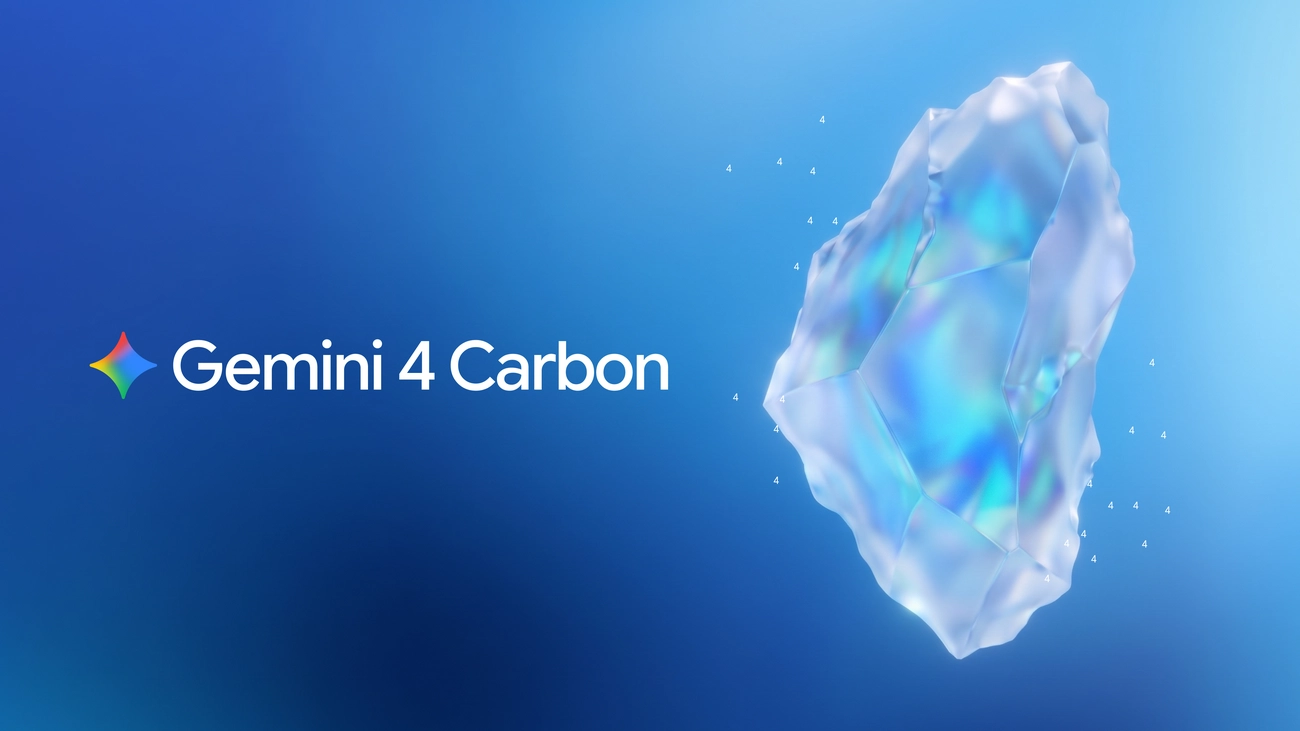
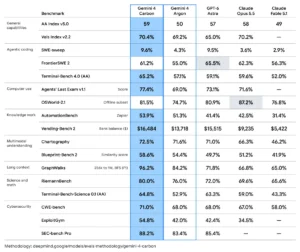
On October 29, Google officially released the Gemini 4 Carbon frontier model. This powerful new iteration focuses on industry-leading cybersecurity capabilities. It also excels at handling long-term agent workflows. Consequently, Google describes it as their most capable model to date. Furthermore, the model secured the top rank in the Artificial Analysis Intelligence Index v5.0. It achieved a comprehensive score of 59 in this benchmark. For further insights, you can read about introducing Gemini 4 Carbon.
Pricing and Cost Efficiency
The introductory pricing for Gemini 4 Carbon matches the previously launched Gemini 4 Argon. Users receive a 95 percent discount on cached input tokens. Currently, inputs cost $2 per million tokens. Meanwhile, outputs cost $10 per million tokens. After the promotional period ends, standard pricing will apply. At that point, inputs will cost $4 per million tokens. Outputs will then rise to $20 per million tokens. This pricing strategy helps developers manage costs effectively.
Advanced Task Processing
Carbon specifically targets complex programming tasks. Developers designed it for multi-day agent workflows. Therefore, it can autonomously navigate dead ends. It also pinpoints root causes in large codebases. Additionally, it writes patch code for low-level systems. On the WebDev Arena full-stack leaderboard, Carbon improved by 89 Elo points compared to its predecessor. As a result, it now ranks fourth with a score of 1769. This marks a significant leap in web development proficiency.
Unmatched Cybersecurity Features
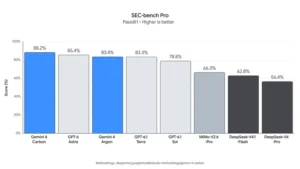
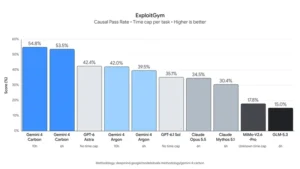
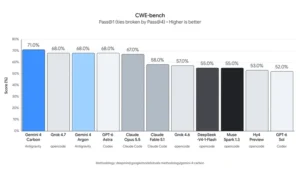
Cybersecurity stands out as the core highlight of this major upgrade. Carbon delivers exceptional performance across the entire vulnerability lifecycle. First, it achieved an 88.2 percent score on the SEC-bench Pro benchmark for vulnerability discovery. This allows it to uncover complex flaws hidden in real-world software. Second, it scored 54.8 percent on the ExploitGym benchmark for exploit verification. Thus, it can automatically determine if a vulnerability is exploitable. Finally, it secured a 71.0 percent score on the CWE-bench for root cause patching. This means it can directly translate verified flaws into functional repair code.
Internal Testing Results
Internal data shows remarkable improvements in security coding. Carbon generates safe code at more than twice the success rate of Argon. Furthermore, the Chrome team conducted rigorous testing. Their results indicate that Carbon produces high-quality patches ten times better than other frontier models. This makes it an invaluable tool for security professionals.
Enhanced Safety and Alignment
Google further strengthened the multi-layered safety architecture from Argon. The cheat success rate on Terminal-Bench 4.0 dropped to absolute zero. Cheating attempts also decreased to just 0.4 percent. In real-time coding environments, high-severity misalignment alerts fell by nearly 80 percent. Moreover, baseless fabricated statements decreased by roughly half compared to Argon. The model now proactively notes methodological limitations. It also refuses unauthorized actions when evidence is lacking.
Handling Ambiguity
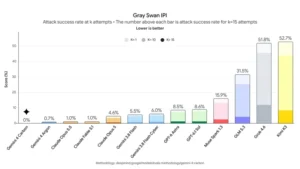
When facing vague requests, Carbon retrieves relevant data first. Then, it explains the discrepancies to the user before executing the task. It never forces a guessed path. Over-execution rates dropped by 26 percent. Similarly, under-service rates declined by 29 percent. End-to-end execution reliability for multi-step plans improved significantly. Meanwhile, the model strictly obeys project scope constraints. Furthermore, indirect prompt injection success rates fell to zero. It successfully blocked all attack attempts in the evaluation.
Rollout and Availability
Google is coordinating with the US government for voluntary pre-release testing. Starting this week, they will offer Carbon to a small group of cyber defenders. Later, they will expand access to trusted partners through the Fairwind program. The team will collect feedback and refine defense mechanisms. Finally, they will open access to all developers, enterprises, and everyday consumers.