Anthropic Abandons Git for Custom Scion System
American artificial intelligence company Anthropic recently announced the abandonment of Git. Instead, the firm adopted a custom version control system called Scion. This new framework shifts most source code management operations to the server. Consequently, it reduces the data that intelligent agents and automated tasks must download.
The Shift to Server-Side Operations
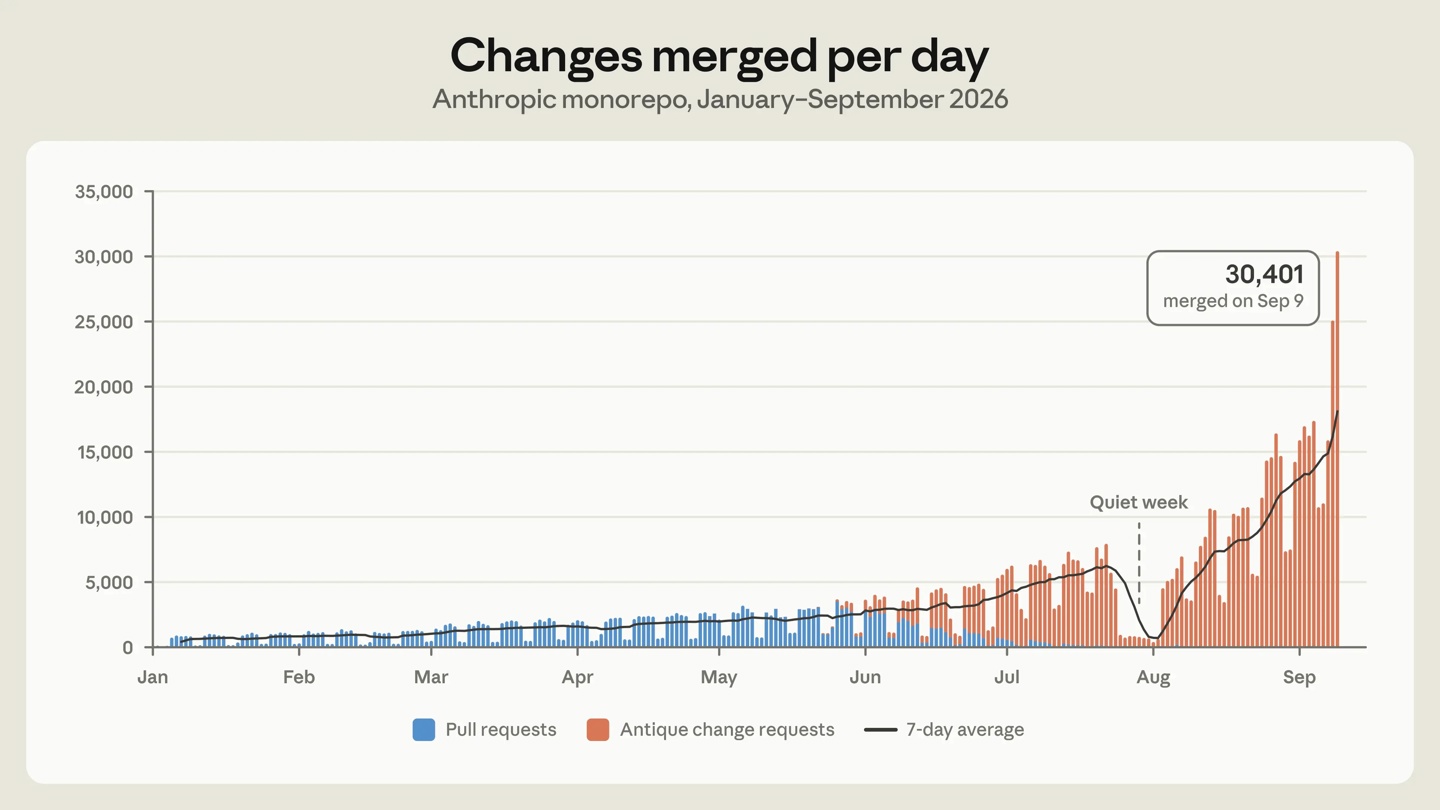
According to the company, developers merged an average of 2,500 code changes daily in May. By September, this figure soared past 30,000 daily merges. Naturally, legacy systems could no longer handle this massive demand. As their AI agents outgrow Git, the organization chose to build the proprietary Scion system.
Dramatic Performance Improvements
Anthropic claims that Scion consumes merely one two-hundredth of the CPU and memory required by Git. After switching systems, continuous integration and research task checkouts take only a few seconds. Previously, these operations demanded several minutes.
Furthermore, Scion executes actions like committing, merging, rebasing, and querying file history directly on the server side. Meanwhile, the client tracks local modifications, manages files, and maintains a limited cache. Thus, the system completes these tasks independently without storing extensive repository data locally.
Challenges for Broad Industry Adoption
Anthropic noted that most of its clients are always-online intelligent agents. For this reason, the offline support of Git offers no real advantage. Centralizing operations on the server significantly reduces local storage requirements and synchronization overhead. However, other companies might find this approach difficult to adopt. Specifically, it requires heavily customized code review, search, and continuous integration tools to function properly.