
Apple and LG Forge a Groundbreaking Smart Home Alliance
According to Bloomberg’s Mark Gurman, Apple is preparing a formidable foray into the smart home ecosystem. This ambitious endeavor will encompass a sophisticated array of doorbells, thermostats, and diverse accessories. Consequently, these products are emerging through an unprecedented partnership with LG Electronics.
A Cohesive Device Ecosystem
Insiders reveal that this impending suite of products will seamlessly integrate into a cohesive device ecosystem. These devices are designed to synchronize perfectly with Apple’s forthcoming smart home hub. Furthermore, they will function flawlessly alongside an upgraded HomePod mini and a newly conceptualized Apple TV set-top box. The technology giant anticipates formally unveiling these revolutionary devices on October 13.
Given the clandestine nature of this joint venture, the informants spoke under the condition of strict anonymity. They disclosed that the collaborative portfolio forged with LG Electronics features many advanced tools. This lineup includes intelligent smart locks, indoor security cameras, outdoor surveillance lenses, and advanced floodlight cameras.
The Strategy of Second-Party Partnerships
Although both corporations are deeply entrenched in the research and development of these accessories, the final manifestations will bear the LG brand. Therefore, the esteemed South Korean conglomerate will assume full responsibility for mass production and all subsequent technical support.
Apple has deftly employed this strategy in the past. The company quietly orchestrated clandestine collaborations with entities such as Belkin and Logitech International SA. These endeavors ultimately culminated in products distributed under the partners’ respective brand identities.
Benefits of Outsourced Production
This paradigm of cooperating with second-party suppliers empowers Apple to rapidly augment its device ecosystem. Crucially, it liberates the company from the exorbitant costs and labyrinthine complexities inherent in manufacturing high-volume accessories. Meanwhile, Apple retains the authority to orchestrate product design and tailor functionalities. They can meticulously oversee engineering development while maintaining absolute secrecy over the research process.
Regulatory Filings and Certifications
LG’s developmental trajectory for these accessories currently trails behind Apple’s proprietary hardware timeline. Consequently, consumers must anticipate a waiting period of several months before these items officially grace retail shelves.
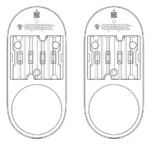
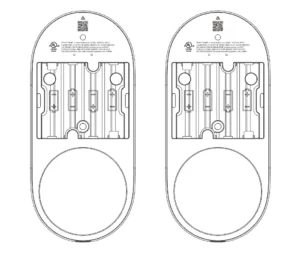
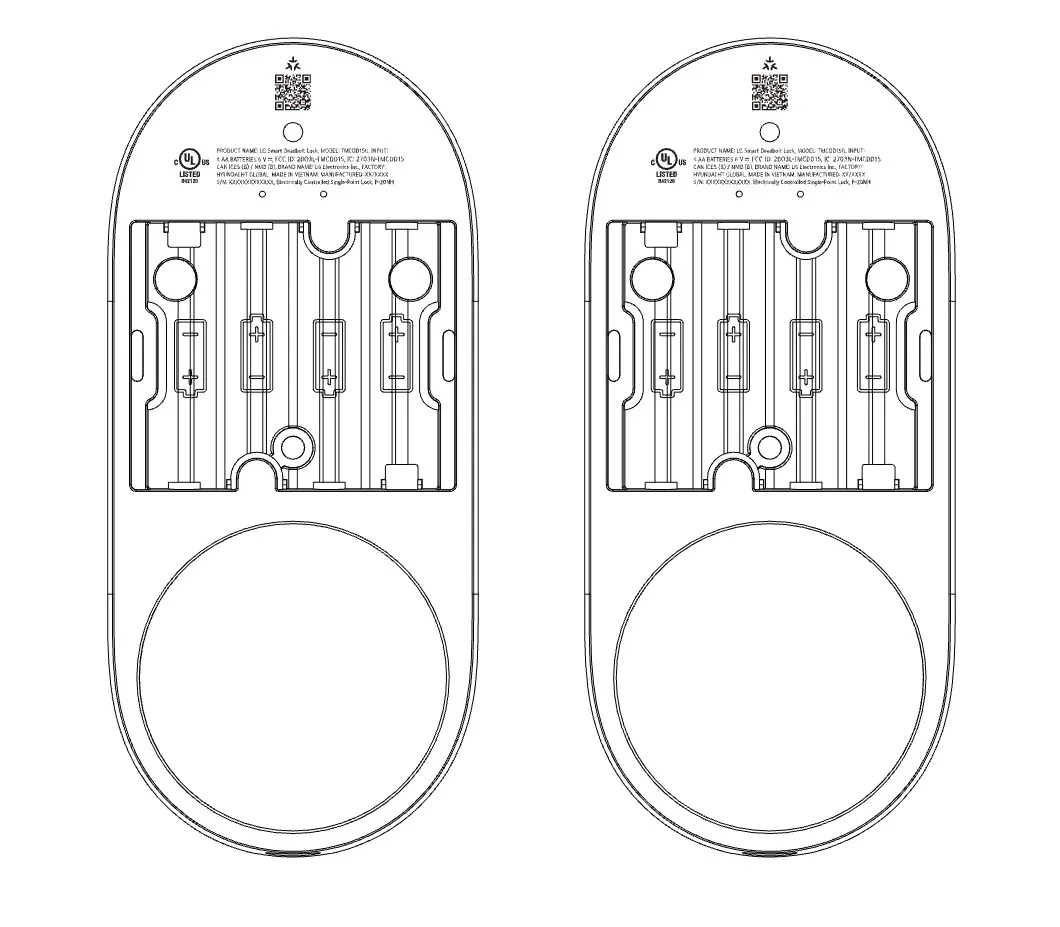
In recent weeks, LG has systematically submitted certification applications for these devices to regulatory authorities. These governing bodies notably include the United States Federal Communications Commission and UL Solutions. The databases of both organizations now house these filings. Partial documentation illuminates the product nomenclatures, technical specifications, functional descriptions, and intricate engineering schematics of these impending accessories.
Unveiling the Product Roster
The submitted inventory encompasses the LG wired video doorbell, floodlight camera, and plug-in outdoor camera. It also features a plug-in indoor camera, intelligent smart lock, smart thermostat, and ambient temperature sensor. LG has formally petitioned to obscure the actual product photographs and granular details until early next year. Notably, these regulatory filings remain entirely devoid of any mention regarding Apple’s collaborative involvement.
Advanced Connectivity and Protocol Support
The majority of these apparatuses boast dual support for Wi-Fi and Bluetooth. Simultaneously, they embrace the Thread and Matter protocols. These two standards represent the premier smart home communication frameworks universally adopted by Apple and its industry adversaries. Furthermore, the smart lock integrates Ultra-Wideband (UWB) technology. This ingenious feature seamlessly and automatically disengages the lock as the user approaches the threshold.
The Renaissance of HomeKit
For Apple, this novel home ecosystem heralds a triumphant renaissance of HomeKit. Apple initially unveiled the HomeKit platform in 2014. However, when juxtaposed with ubiquitous alternatives from Amazon and Google, the platform historically struggled to carve out a dominant market presence.
Reports suggest that Apple aspires to revitalize its smart home enterprise. They plan to achieve this by leveraging this fresh hardware alongside the formidable capabilities of Siri. The corporation has also charted a course for a multitude of subsequent, self-developed products. This visionary roadmap includes a privacy-centric domestic surveillance device. It also outlines a sophisticated smart home hub featuring an articulating robotic arm and a comprehensive residential security monitoring service.
Expanding LG Horizons and Market Competition
Historically anchored by core offerings like televisions and washing machines, this new fleet of devices signifies a monumental expansion of LG’s smart home ambitions. This product lineage marks the corporation’s inaugural foray into indoor cameras in nearly a decade. Simultaneously, it represents their first modern venture into outdoor cameras, thermostats, floodlight cameras, and video doorbells. Furthermore, the intelligent lock stands as LG’s maiden smart lock offering distributed beyond South Korea.
In the wake of this formidable alliance, Apple and LG will forge a far more direct rivalry against Amazon Ring and Google Nest. These two reigning manufacturers have long provided comprehensive suites of analogous devices. Thus, they empower users to vigilantly monitor their homes and surrounding perimeters.
A Profound Historical Lineage
Apple and LG share a profound, enduring historical lineage of collaboration. Once fierce adversaries on the smartphone battlefield, several sister corporations within the LG empire have now metamorphosed into indispensable allies. LG Display diligently provisions screens for a multitude of Apple devices. Moreover, Apple has previously synchronized with LG Electronics to weave its proprietary services directly into LG’s television ecosystem.
Approximately a decade ago, Apple temporarily retreated from the external monitor marketplace. During that transition, the company coalesced with LG to co-develop superior displays. These screens were meticulously tailored to complement the tech giant’s acclaimed lineup of laptop computers.