DroidDeck Brings Steam Games to Android Devices
According to 4Gamer, a brilliant new open-source application recently captured widespread industry attention. This innovative software, known as DroidDeck, allows Android smartphones to run Steam PC games natively. It achieves this remarkable feat by utilizing the robust Proton compatibility layer. Furthermore, the application provides an elegant user interface highly reminiscent of SteamOS. This clean design helps users manage and launch their favorite titles effortlessly. Enthusiasts can easily explore the official DroidDeck project repository online.
Unlocking Desktop Performance on Mobile
DroidDeck fully supports advanced super-resolution technologies to maximize visual fidelity. These impressive enhancements include AMD FSR and Snapdragon GSR. Moreover, the application can utilize frame generation technology to boost graphical fluidity significantly. However, achieving perfectly smooth gameplay still requires formidable mobile hardware.
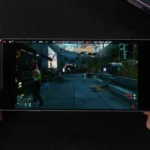
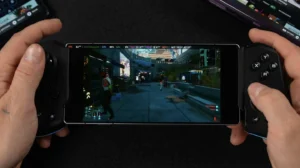
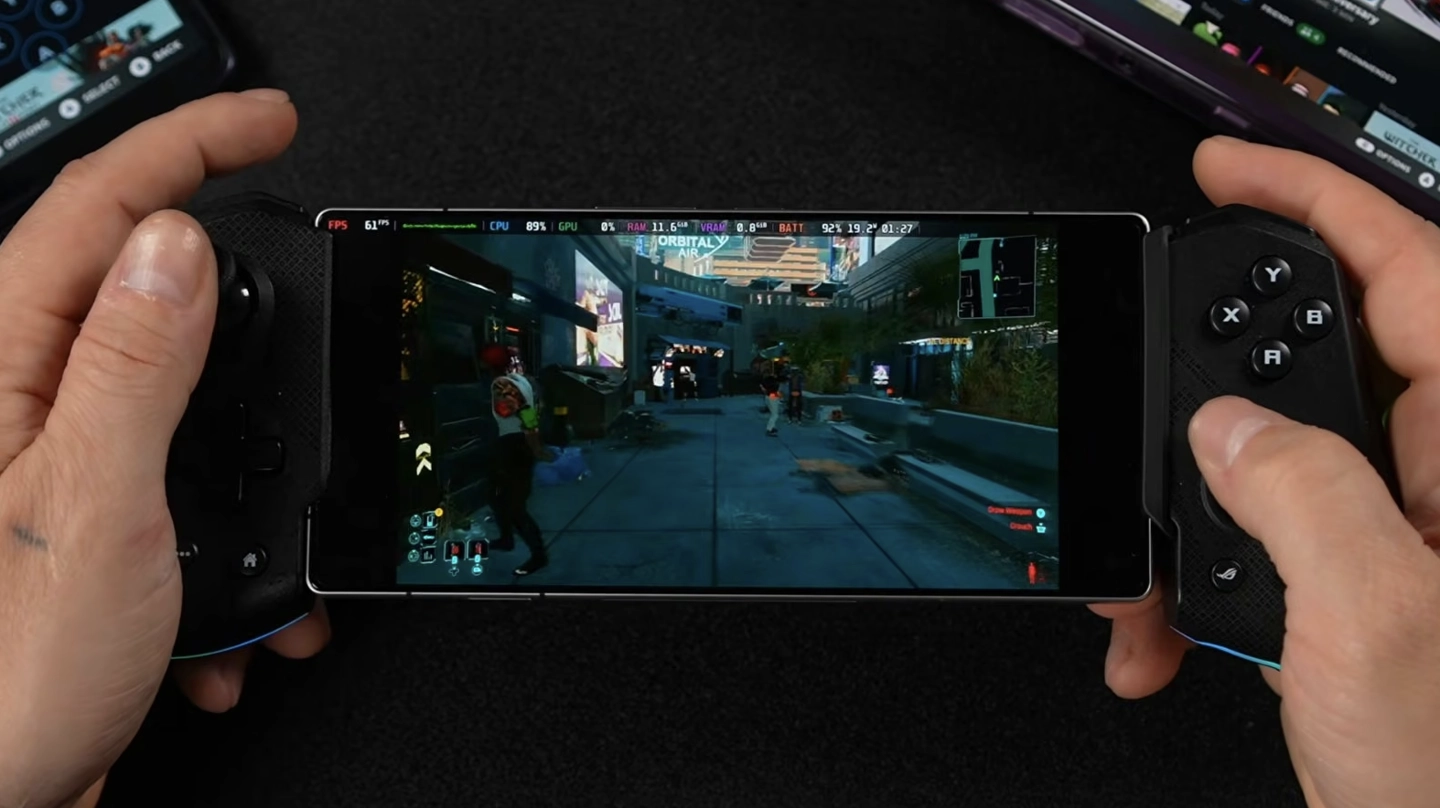
The technology channel ETA PRIME recently conducted comprehensive benchmark tests to verify these claims. They utilized the cutting-edge Red Magic 11 Pro smartphone for this rigorous evaluation. This futuristic device featured the powerful Qualcomm Snapdragon 8 Elite Gen 5 processor. Consequently, the incredibly demanding game “Cyberpunk 2077” ran flawlessly at a 720p resolution. Using medium graphical settings, the title achieved a highly stable 60 FPS. Meanwhile, older games like “Left 4 Dead 2” soared to a breathtaking 120 FPS.
Navigating Potential Screen Limitations
Despite these triumphs, players must remain mindful of certain inherent mechanical limitations. Developers originally designed many of these massive games exclusively for large PC monitors. Therefore, dedicated gamers might need to connect external keyboards, mice, or controllers.
Additionally, some classic titles struggle to adapt correctly to modern smartphone form factors. For instance, they might not support common mobile screen ratios like 20:9 or 19.5:9. They may also fail to handle high-density smartphone displays exceeding 300 DPI properly. As a result, the in-game text can appear illegibly small to the human eye. Sometimes, critical visual content might even render entirely outside the visible screen boundaries.